
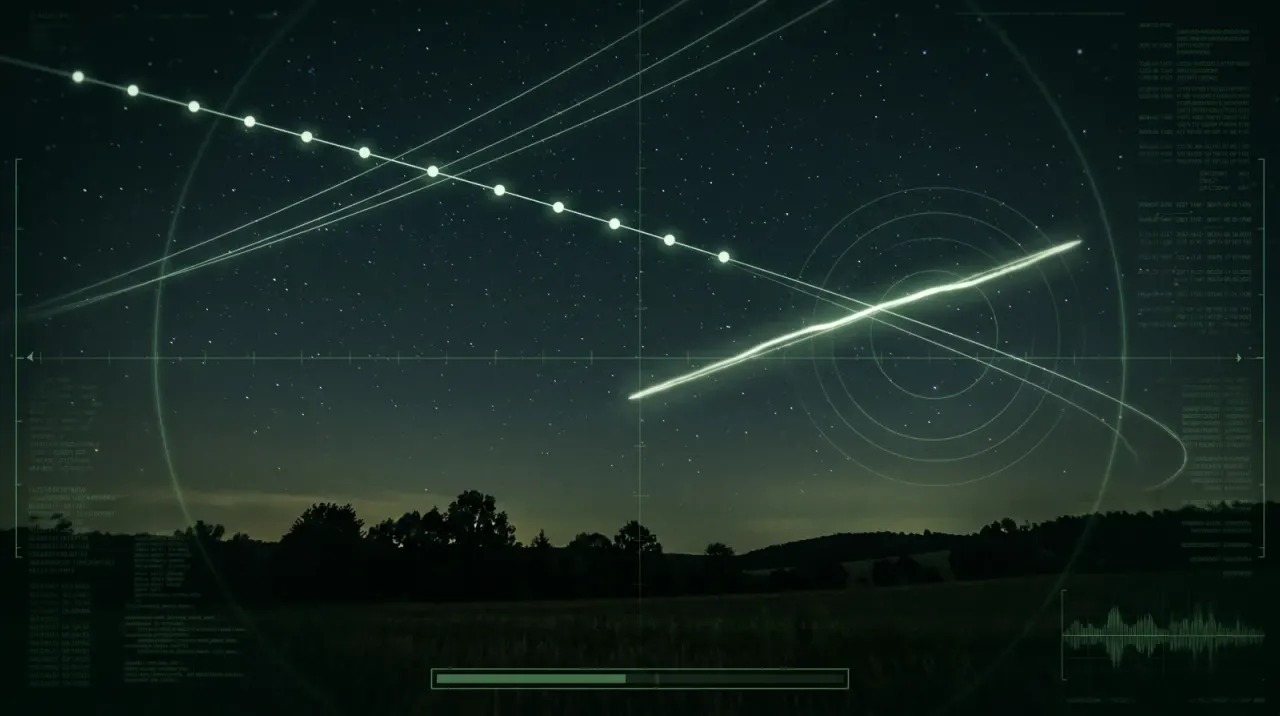
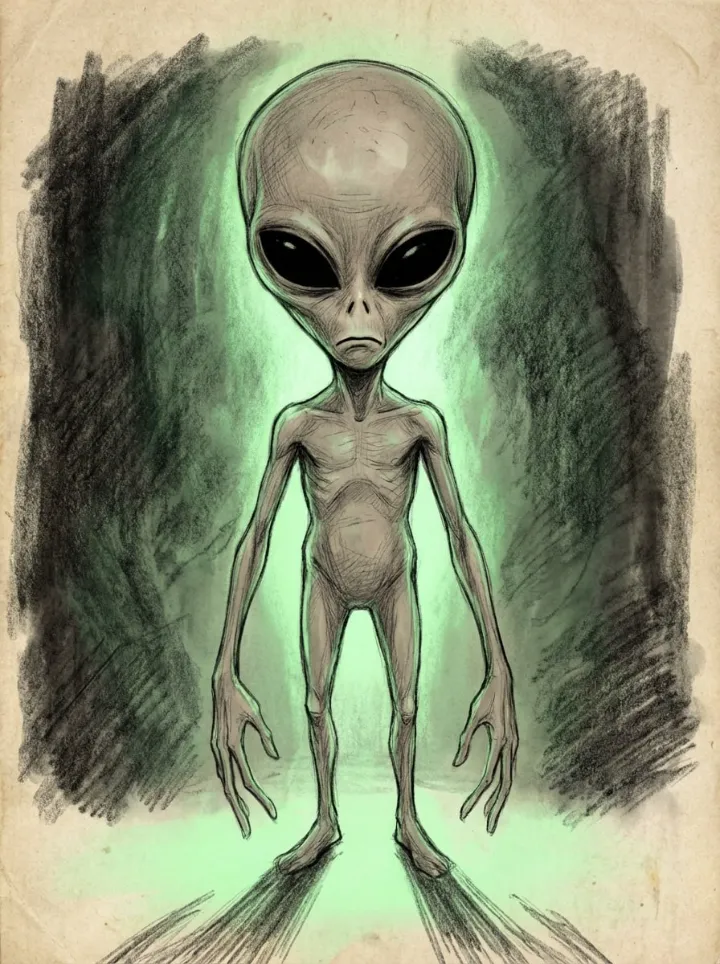
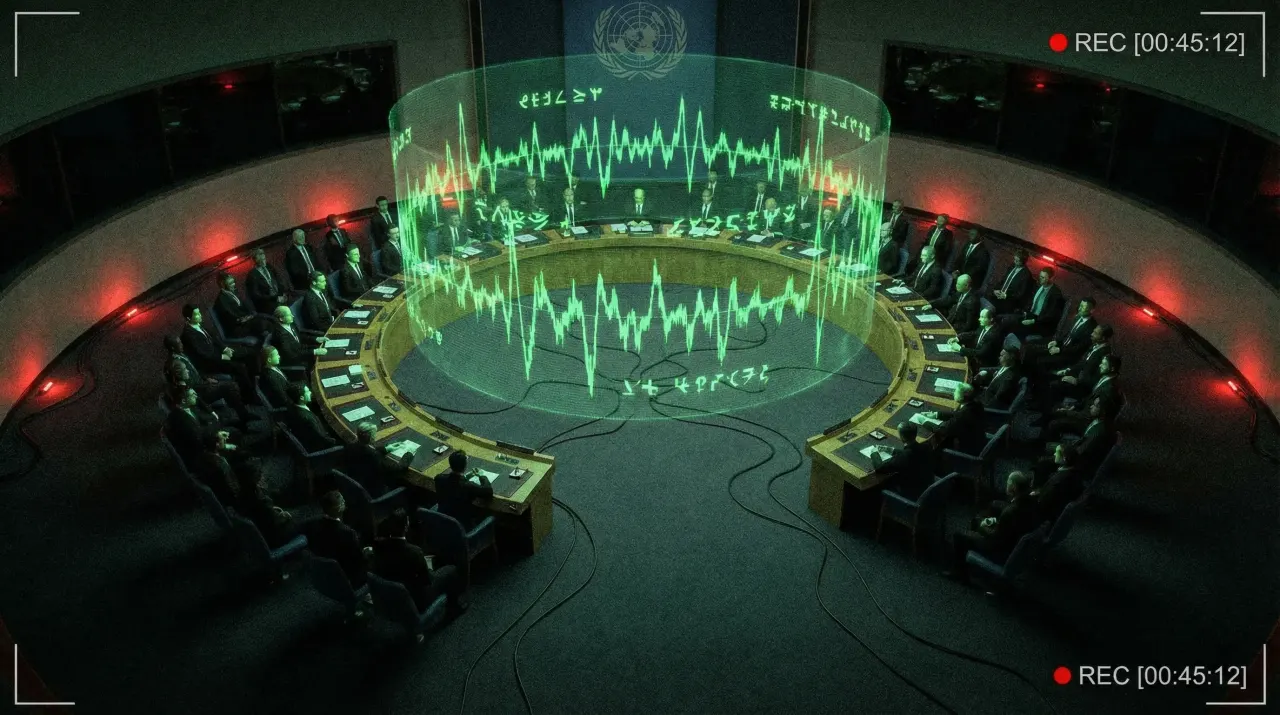
What would first contact look like? Probably not like a perfect movie scene. It may begin as a signal, a sensor track, a leaked document, a local incident, or an official statement that answers one question and creates fifty more.
For civilians, the first contact scenario that matters is the messy one: partial information, nervous institutions, flooded feeds, confused families, and people trying to decide what is real. Your advantage is not secret knowledge. Your advantage is knowing how to behave before the moment arrives.
The first sign may not be public
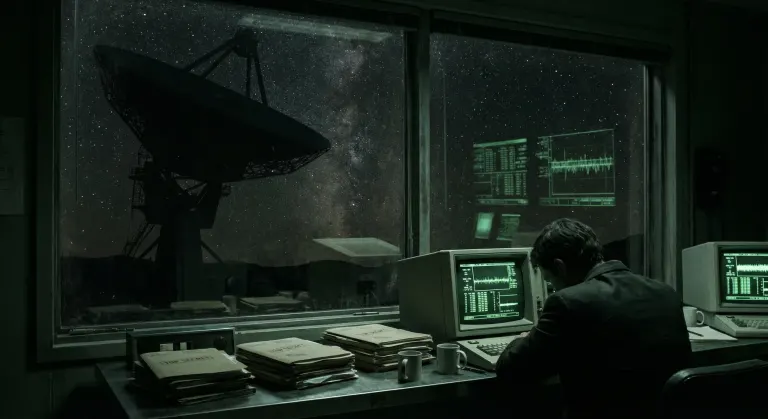
Many people imagine first contact as a craft over a capital city. A quieter start is more likely. A telescope team detects a strange signal. A defense sensor tracks an object that does not fit known behavior. A pilot files a report. A contractor holds data. A government office starts a review before the public knows what happened. The first object may not even carry a crew: the AI probe theory considers contact arriving as automated machines, not visitors.
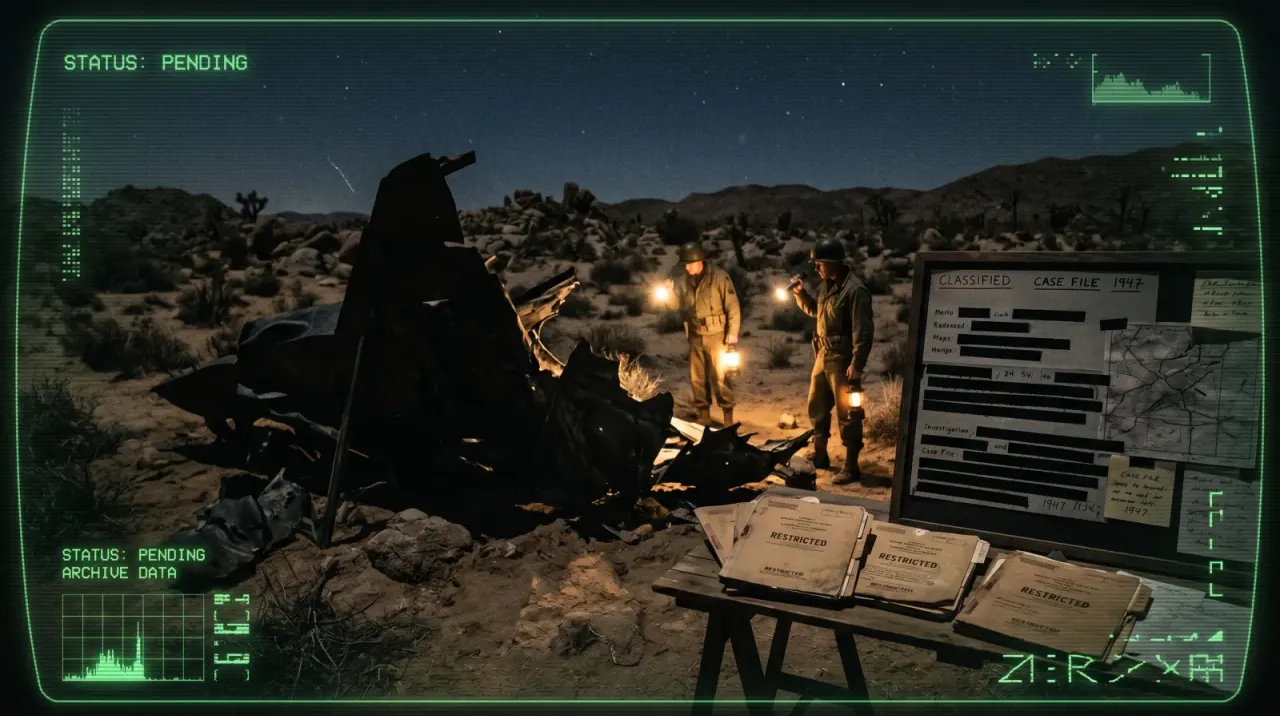
SETI post-detection protocols were built for scientific discovery. They call for verification, independent confirmation, and coordinated notification. But if the first detection moves through military or intelligence channels, the first response will be security, not public education.
The first 72 hours
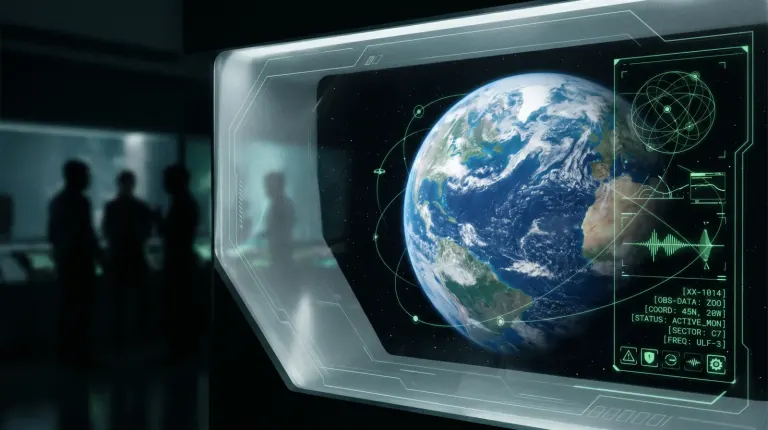
The first 72 hours would be dominated by verification and control. Governments would try to answer basic questions: Is the event real? Is there a threat? Who else knows? What can be said without causing panic or exposing sensitive systems?
- Verification. Multiple sources check the signal, object, material, or encounter. False positives get filtered. Real anomalies get restricted.
- Command briefing. Military, intelligence, and executive leadership receive summaries. The public may still be operating on rumors.
- Message control. Officials decide what language to use. Notice how much can hide inside phrases like unexplained, anomalous, or under review.
- Civilian cascade. Social feeds accelerate faster than institutions. Families, creators, markets, churches, local officials, and emergency services all start reacting.
The danger for civilians is not only the contact event. It is the behavior around the contact event: bad information, crowd movement, copycat footage, scams, hoarding, and people mistaking confidence for truth.
What you actually control
You do not control disclosure timing. You do not control official messaging. You do control your first hour.
- Check your people. Confirm family location, medical needs, pets, power, and communication plans.
- Slow the feed. Follow primary sources. Save claims instead of spreading them instantly.
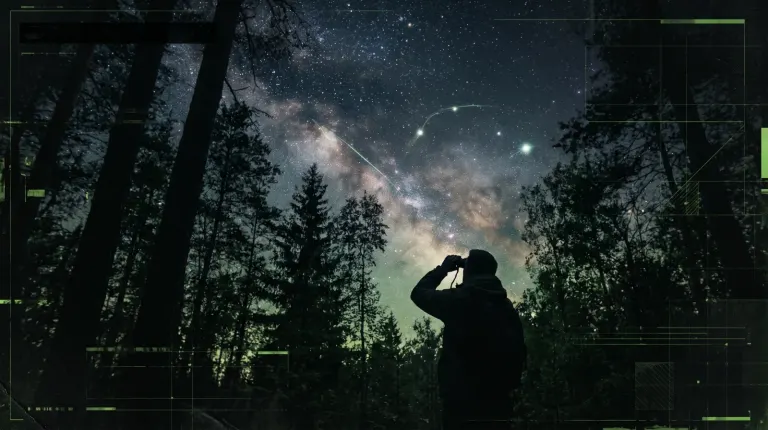
- Document cleanly. If you witness something, record from safety. Capture time, location, direction, weather, audio, and witness names.
- Avoid the contact zone. Curiosity is not a plan. Do not drive toward a crowd, object, restricted area, or active emergency scene.
- Use your role. Protect, communicate, analyze, or withdraw dependents based on what you are built to do under stress.
Where archetypes show up
First contact would reveal roles quickly. The archetype system is not a costume. It is a way to name your first useful instinct.
Sentinel
Secures people and perimeter. The Sentinel checks doors, phones, neighbors, and supplies while everyone else argues about the sky.
Diplomat
Looks for communication and de-escalation. The Diplomat lowers the temperature in the room and keeps humans from turning fear into damage.
Scholar
Documents and verifies. The Scholar preserves the record before rumor edits it.
Survivor
Moves dependents out of harm's way. The Survivor reads exits before reading headlines.
First Contact
Steps forward only when the moment demands it. Rare does not mean reckless. It means unusually calm in the face of the unknown.
See also Spielberg's version is fiction, and Disclosure Day against the record sets each scene beside what governments have released.