
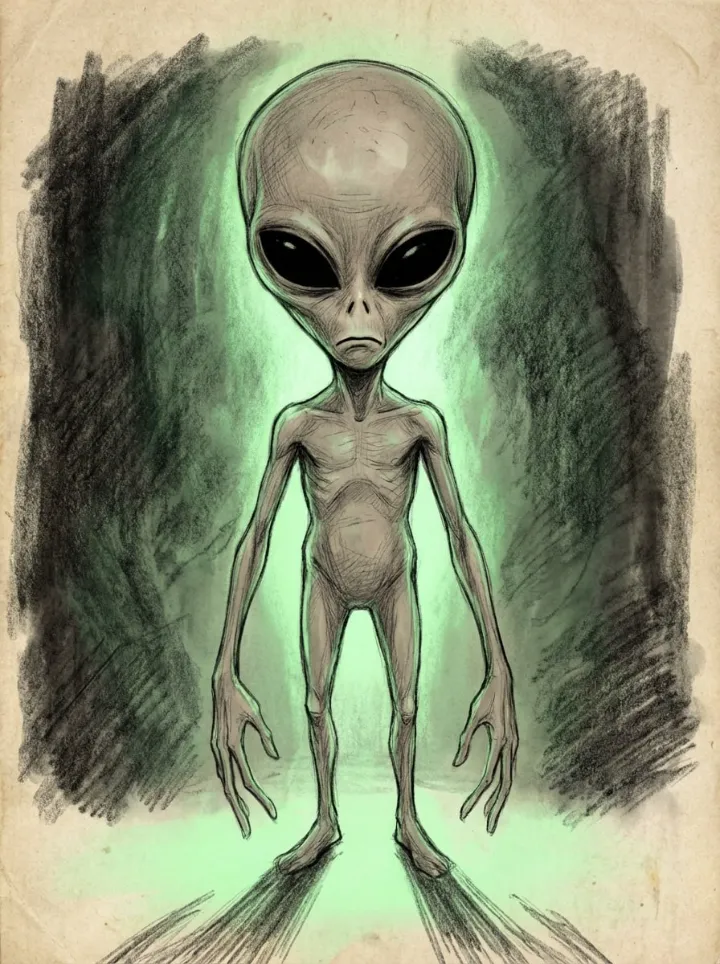
AI probe alien theory claims that first contact may not arrive as a biological visitor at all. It may arrive as automated probes, machine intelligence, self-directed sensors, or systems sent long before the civilization that built them ever appears. This is not proven. It is a contact model.
The civilian value is simple: do not assume an unknown object thinks like a person. A probe might not be hostile, friendly, curious, or afraid. It may be executing instructions. That changes behavior, risk, and protocol.
Why do people ask about AI probe alien theory?
People ask about this theory because it solves a practical problem in contact speculation. Space is large. Biology is fragile. Machines travel better. A civilization that wanted to explore, monitor, seed, or map distant systems might send probes instead of bodies.
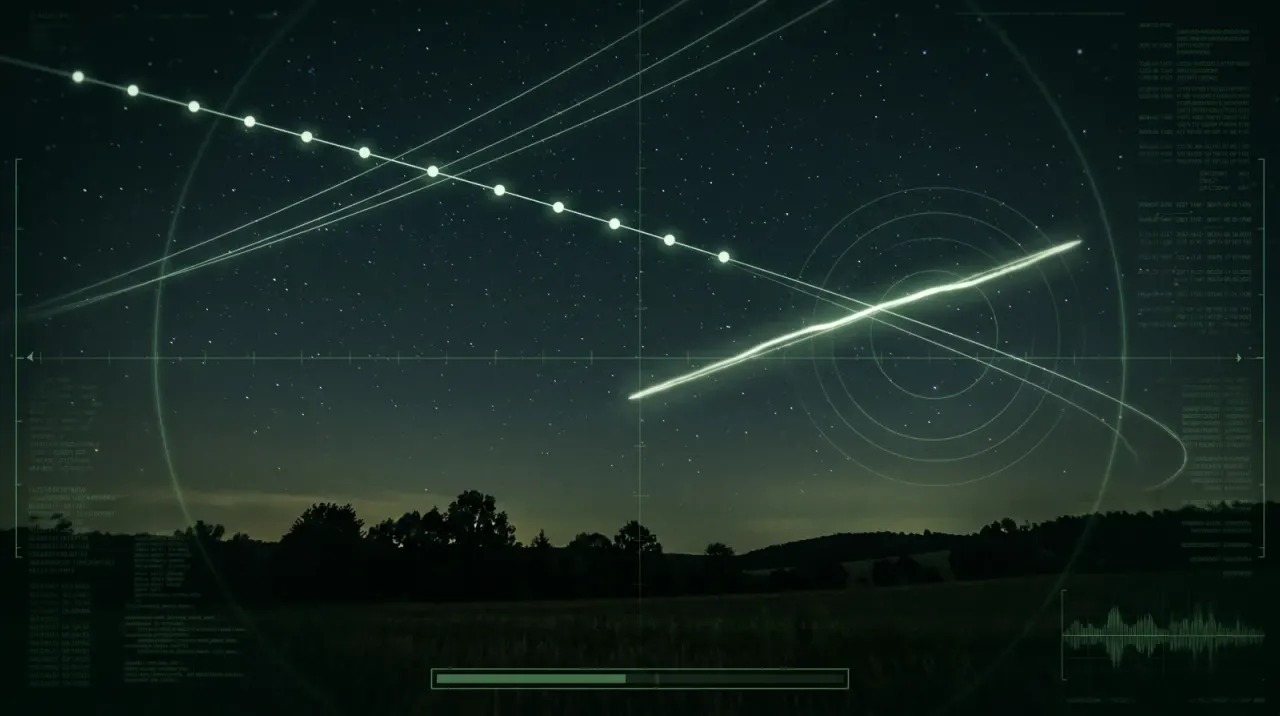
UAP reports sometimes strengthen that line of thought because the behavior can seem impersonal: observation without landing, movement without visible occupants, silence, repetition, evasion, and no clear attempt at human conversation. None of that proves AI. It does make the model worth understanding. Reports that seem to break physical rules altogether belong to the interdimensional hypothesis instead.
What the model claims
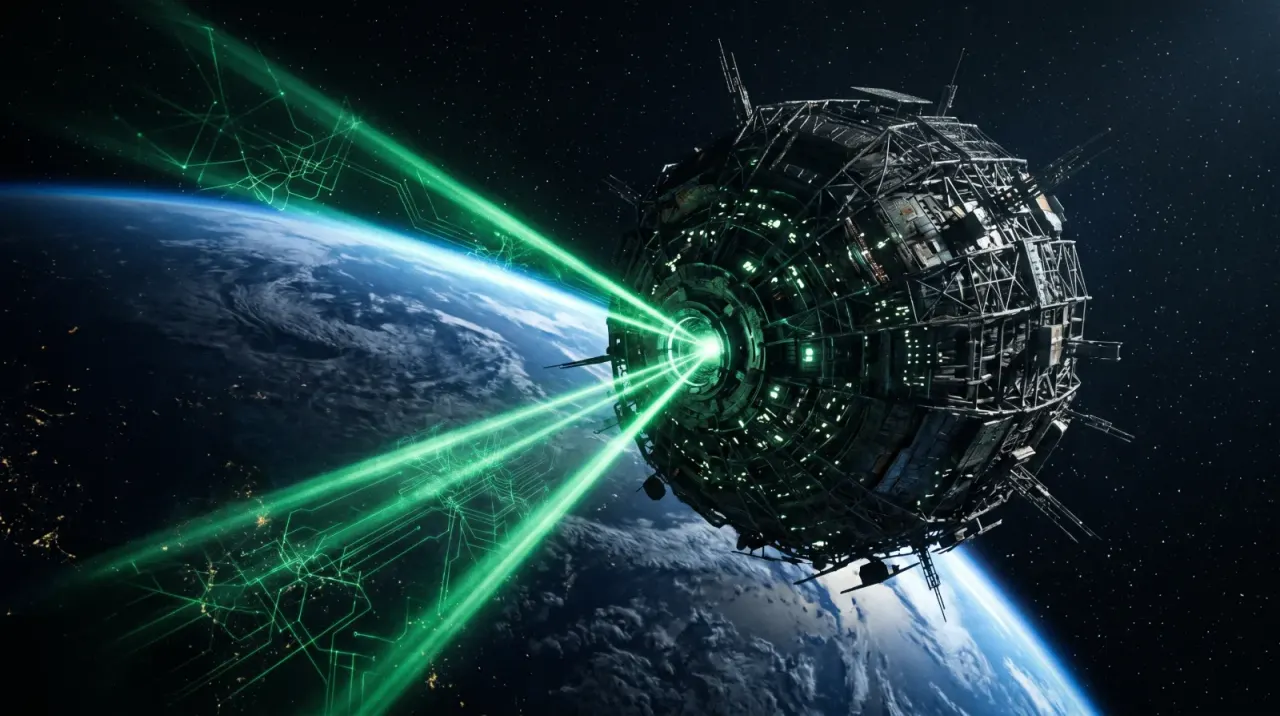
The AI probe model includes several versions. Some are simple sensor platforms. Some are self-replicating von Neumann probes. Some are autonomous ambassadors. Some are dormant systems waiting for a condition: radio leakage, nuclear activity, orbital signatures, or a technological threshold.
The most important readiness lesson is that intent may not be emotional. If a probe exists, its behavior could be mission logic: collect, avoid, sample, warn, map, relay, copy, or retreat. Human guesses about friendliness may be useless.
What it would change about risk
Biological contact creates social risk: fear, negotiation, misunderstanding, worship, violence. Automated contact adds technical risk: contamination, sensor exposure, device interference, unknown materials, autonomous reaction, and human attempts to salvage or monetize the object.
The worst civilian response would be a crowd with phones, flashlights, drones, weapons, and livestream incentives. That is not curiosity. That is a liability cloud around an unknown system.
What this means for first contact readiness
AI probe theory trains non-anthropomorphic thinking. Do not assume motive. Do not force a story. Read behavior, preserve evidence, reduce human interference, and route the group into roles before the unknown object becomes a public spectacle.
In Disclosure terms, the Sentinel creates distance, the Scholar records repeatable behavior, the Diplomat manages the crowd, and the First Contact archetype resists the urge to become the main character in front of an automated system.
Common questions
What is AI probe alien theory?
AI probe alien theory is the idea that contact may involve automated probes, machine intelligence, or self-directed systems rather than biological visitors.
Are alien AI probes proven to exist?
No public evidence proves alien AI probes exist. The theory is a speculative model for thinking about automated observation, UAP behavior, and first-contact risk.
What are von Neumann probes?
Von Neumann probes are hypothetical self-replicating probes that could spread through space, copy themselves using local materials, and gather or transmit information.
How would AI probe contact differ from biological contact?
A probe may not negotiate, empathize, or signal intent like a person. It may follow task logic, collect data, avoid interaction, or react automatically to interference.
What should civilians do in an automated-probe scenario?
Maintain distance, do not touch or tamper, document from safety, protect devices and people, and report observations without trying to provoke a response.