
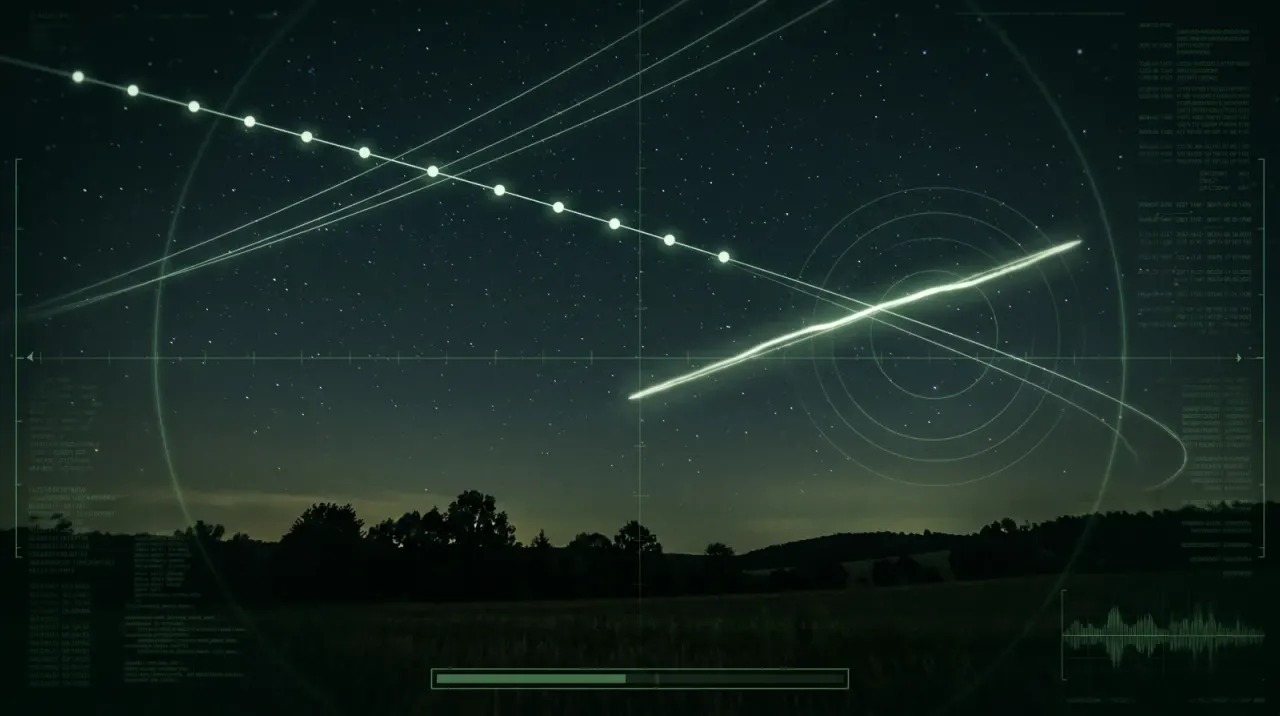
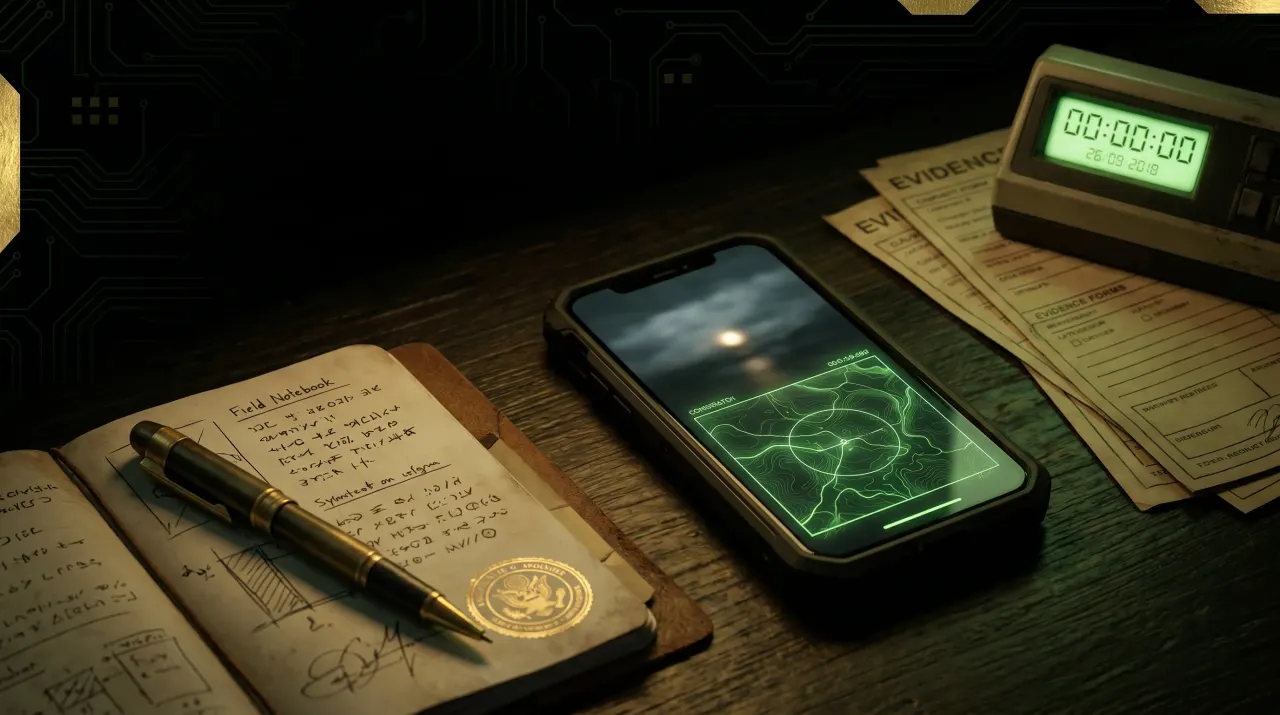
One rule governs a UFO report: preserve the raw event before the internet, fear, or excitement edits it. Keep the original evidence, write your first notes, check obvious explanations, then choose the right reporting channel.
A UFO report does not need dramatic language to be useful. It needs time, place, direction, duration, movement, sound, weather, witnesses, and original media. Calm detail beats a viral caption every time.
If there is immediate danger, treat it as a public safety issue first. Fire, injury, hazardous debris, road risk, aviation concern, or a crowd losing control belongs with local authorities. If it is only an unusual object or light, slow down and build a clean report packet.
What should you do before you report?
Do not start with a conclusion. Start with preservation. The strongest report is not the one that insists the object was impossible. It is the one that gives someone else enough detail to test what happened.
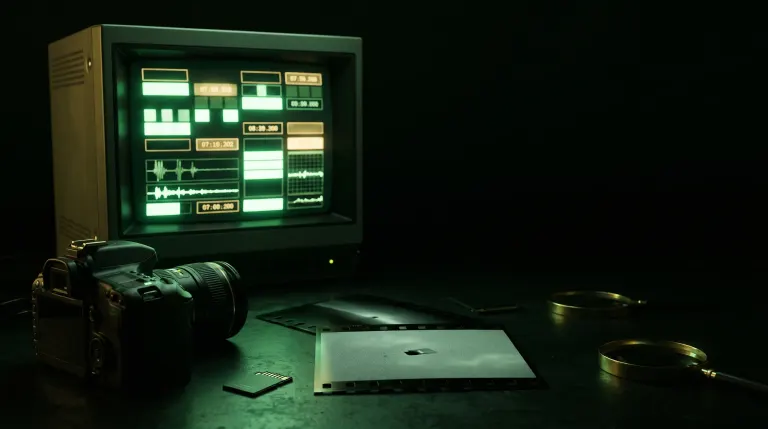
- Save the originalKeep the raw file on your device and back it up before editing. Cropping, filters, compression, and social uploads can strip context or metadata.
- Write before influenceWrite what you saw before replaying the clip, reading comments, or comparing accounts. First memory is not perfect, but it is less contaminated.
- Capture contextAdd weather, direction, nearby airports, traffic, power lines, stars, mountains, rooftops, and anything else that helps establish scale and motion.
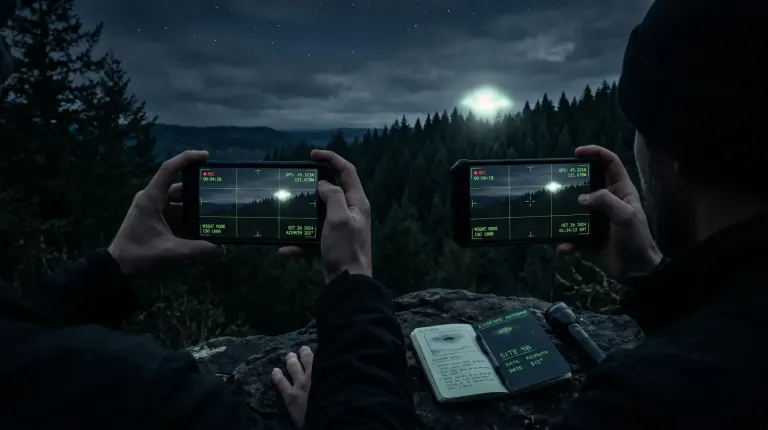
- Separate witness statementsAsk each witness to write their own account before the group tells one shared story. Independent accounts are more useful than a merged memory.
If you still have not read the basic field response, start with what to do if you see a UFO. Reporting is the second move. Functioning in the first 90 seconds is the first.
Where should you report a UFO sighting?
Choose the channel based on risk. A bright object crossing the sky is not automatically an emergency. A crash, fire, injury, hazardous debris, or threat to aircraft is different. Report immediate danger through local emergency or public safety channels.
For non-emergency documentation, North American witnesses often use civilian databases such as NUFORC or MUFON. Treat those channels as record collection, not official confirmation. Submit calmly. Include the evidence packet. Avoid claims you cannot support.
- Use local authorities for public safety, aviation risk, debris, fire, injury, trespass, or crowd control.
- Use civilian databases for sightings with no immediate hazard but enough detail to document.
- Use your private incident log for everything, including details you are not ready to share publicly.
What details make a UFO report useful?
A useful report lets someone reconstruct the event. It does not rely on belief. It gives coordinates, clocks, motion, reference points, and alternate explanations.
- Date, local time, time zone, start time, end time, and total duration.
- Exact location, direction faced, object direction of travel, and approximate angle above the horizon.
- Shape, color, brightness, blinking pattern, sound, speed changes, hovering, or acceleration.
- Weather, cloud cover, wind, visibility, nearby aircraft, drones, satellites, fireworks, or events.
- Camera model if known, zoom level, whether the file was edited, and whether metadata remains intact.
- Witness count, independent statements, and whether anyone captured the object from another angle.
Use the UFO evidence checklist before you submit. It will catch missing context before the file leaves your hands.
What should you not put in the report?
Do not inflate the report with certainty you do not have. Avoid phrases like proof of non-human intelligence, guaranteed craft, or government cover-up unless your evidence actually supports that. A careful witness is harder to dismiss than a loud one.
Do not add music, captions, dramatic zooms, or reaction overlays to the evidence copy. If you want a social version later, make it from a duplicate. Keep one clean file untouched.
Do not identify every light as a craft. Orbs, aircraft, satellites, lens artifacts, balloons, drones, insects near the lens, and weather phenomena can all confuse witnesses. If your sighting was a light or sphere, read what are orbs in the sky before filing the conclusion.
How does reporting fit first contact readiness?
Reporting is not just paperwork. It is role discipline. A Sentinel may rush to protect. A Scholar may over-document and miss danger. A Diplomat may focus on people and forget evidence. Your default pattern matters when the event is strange.
The archetypes file shows the response patterns. The First Contact briefing shows the wider civilian frame. The classification quiz turns that into a field role before stress chooses for you.
- UFO evidence checklist gives you the report quality ladder.
- UFO encounter psychology explains why witness memory changes under stress.
- Readiness moves the report habit into a calmer household protocol.
See also To write it up properly, use the UFO sighting report form: it scores how complete your report is and prints a clean PDF without uploading anything. In Canada there is no federal office, so read how to report a UFO sighting in Canada before you file. A fast, bright streak is usually a meteor: how to report a fireball to the American Meteor Society.