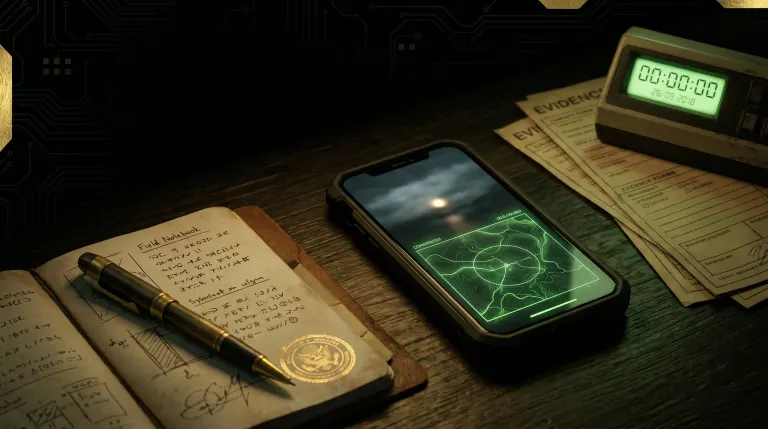

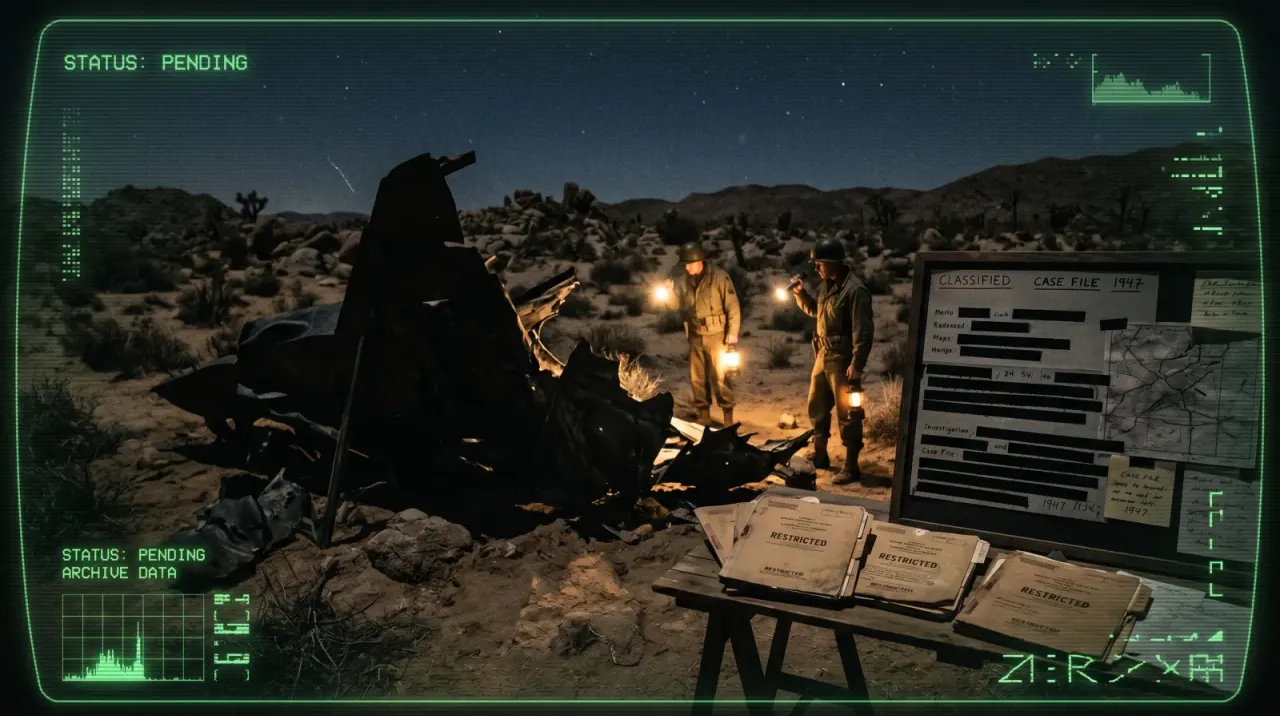
A UFO evidence checklist is how a strange moment becomes usable information. The question is not whether the footage feels convincing. The question is whether someone else can test time, location, movement, scale, and ordinary explanations.
Most bad UFO evidence fails for boring reasons: no horizon, no reference points, no timestamp, no direction, no original file, too much zoom, too much commentary, and no witness separation. Fix those before the next sighting, not after.
This checklist is for civilians. It will not prove what an object is by itself. It will help you avoid destroying the few details that matter.
What makes UFO evidence strong?
Strong evidence has context. A bright dot on a black sky may be emotionally powerful, but it is weak evidence unless the file shows how it moved, where it was, how long it lasted, and what else was visible nearby.
- Reference points: horizon, skyline, trees, mountains, stars, aircraft, power lines, or buildings.
- Movement: hovering, acceleration, direction changes, blinking, pulsing, descent, climb, or disappearance.
- Sound: engine noise, silence, rumble, vibration, animal reaction, traffic, wind, or witness voices.
- Time: start, end, time zone, total duration, and whether the video covers the whole event.
- Location: GPS, nearest town, direction faced, nearby airports, roads, water, or restricted areas.
If you are still in the event, use what to do if you see a UFO. If the event is over, use this file before filing a report.
The field checklist
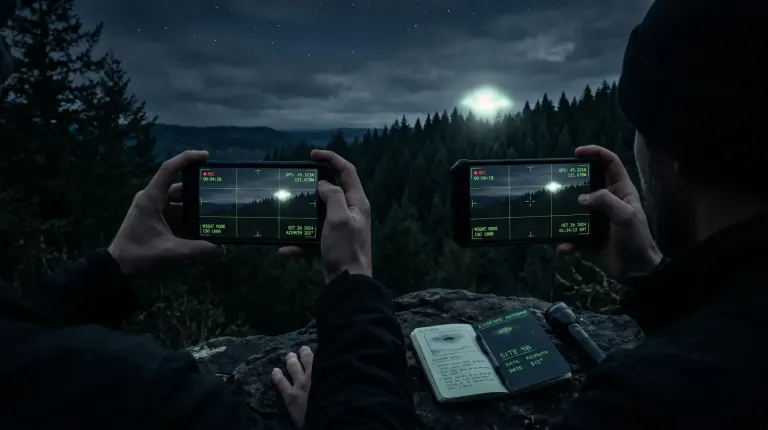
- Record wide firstStart with the object plus the environment. A shaky close-up loses scale. Context first, zoom second.
- Narrate without dramaSay the time, location, direction faced, weather, sound, witnesses, and what the object is doing. Keep your voice factual.
- Keep filming after it leavesCapture the empty sky, traffic, aircraft, animals, electronics, and witnesses. Aftermath can explain or strengthen the file.
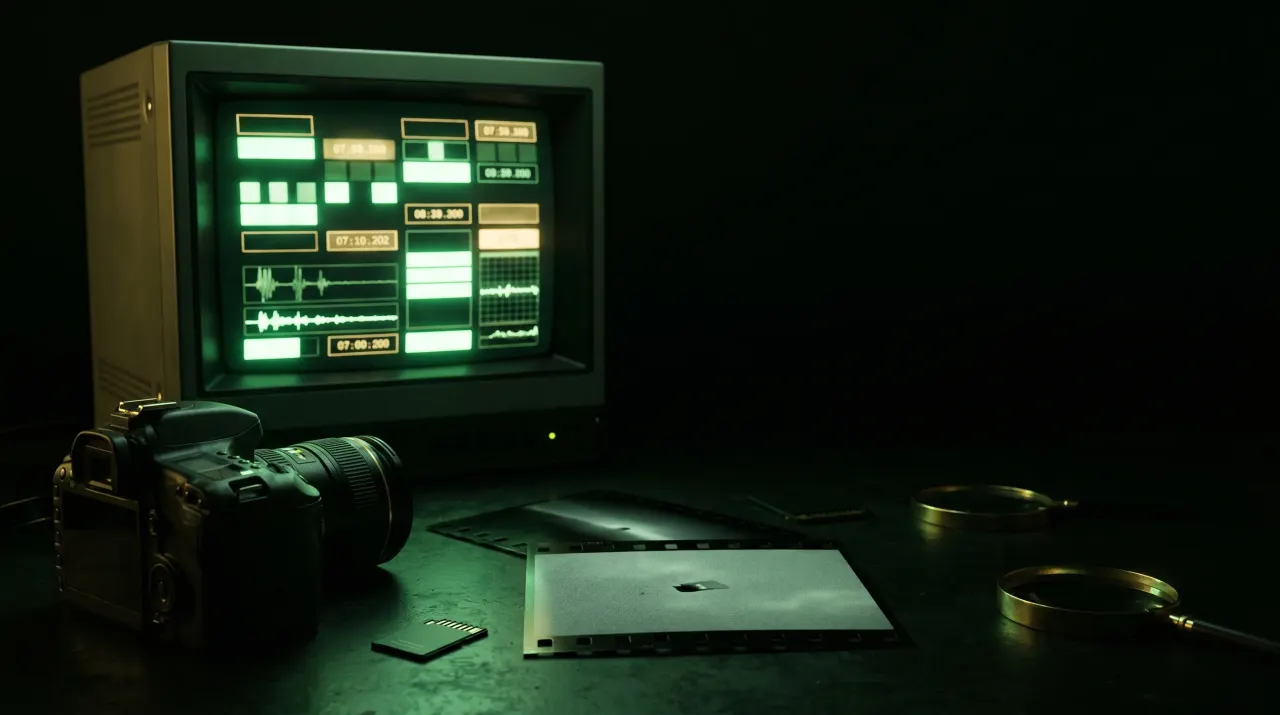
- Preserve metadataSave the original file. Do not crop, filter, stabilize, compress, or upload the only copy. Make duplicates for sharing.
- Write the memory logBefore replay or comments, write what you saw, what you heard, what changed, and what you considered as normal explanations.
What weakens UFO evidence?
Weak evidence usually fails because the viewer cannot measure anything. Do not make the file fight harder than it has to.
- Only a close-up light with no horizon or fixed reference point.
- No date, time, location, direction, or duration.
- Heavy zoom, digital stabilization, filters, music, captions, or reaction overlays.
- Edited clips with the beginning or end removed.
- Witnesses discussing details before writing separate accounts.
- No attempt to check aircraft, drones, satellites, planets, balloons, reflections, weather, or insects near the lens.
For a clean submission workflow, use how to report a UFO sighting after this checklist.
How do you check ordinary explanations?
Checking ordinary explanations is not debunking yourself. It is protecting the file. A sighting that survives boring checks becomes more interesting, not less.
- Aircraft and drones: look for navigation lights, steady flight paths, engine noise, local drone activity, or nearby airports.
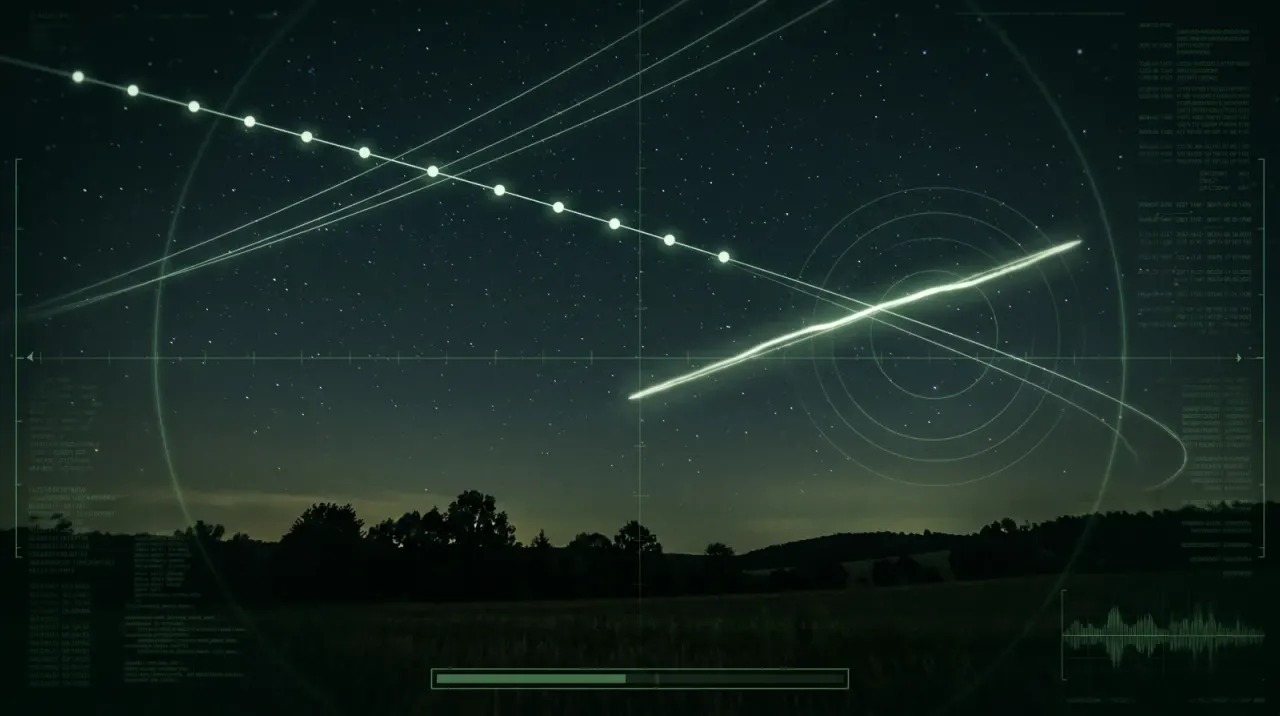
- Satellites and launches: note straight paths, silent motion, train-like clusters, or sky-wide arcs.
- Planets and stars: check whether the light stayed fixed while clouds or the camera moved.
- Weather and atmosphere: consider lightning, ice crystals, clouds, fog, smoke, and reflections.
- Camera artifacts: consider lens flare, dust, insects near the lens, rolling shutter, autofocus hunting, and compression.
If the object looked like a glowing ball, sphere, or floating light, read what are orbs in the sky before labeling it.
How should you rate your evidence?
Use a simple ladder. This keeps you honest and makes your report easier to read.
- Weak: single witness, no reference points, no timestamp, edited clip, or no location.
- Usable: original file, time and location, some reference points, basic notes, and a plausible movement description.
- Strong: original media, stable wide context, multiple independent witnesses, clear timeline, environmental notes, and ordinary explanations checked.
- Exceptional: multiple angles, preserved metadata, independent witnesses, consistent timing, and external context such as weather, radar, public flight data, or local reports.
Do not confuse exceptional with confirmed. Evidence quality measures how useful the file is, not what the object must be.
How does evidence discipline connect to readiness?
First contact readiness is not only about courage. It is about attention under stress. The person who can capture context, protect originals, avoid panic claims, and still watch the people around them is already more useful than the loudest witness.
That is the point of the DISCLOSURE classification quiz. It shows whether your pressure response leans toward protection, diplomacy, analysis, withdrawal, or contact. Pair that with the First Contact briefing and you have more than a video. You have a role.
- How to report a UFO sighting turns this checklist into a submission packet.
- UFO encounter psychology explains why clean memory capture matters.
- Government UFO programs adds public-record context for why documentation matters.
See also Once the checklist is done, put it into the witness report form and see how strong the record is. Canadian witnesses can send the finished packet to the channels listed in reporting a sighting in Canada. For a streak across the sky, fill in the fireball report card instead.