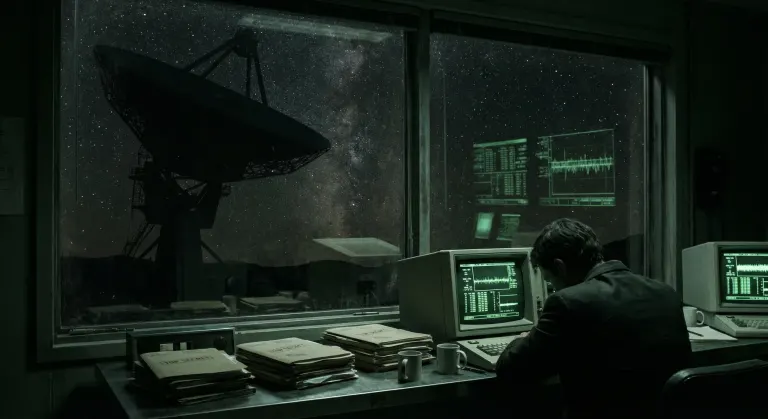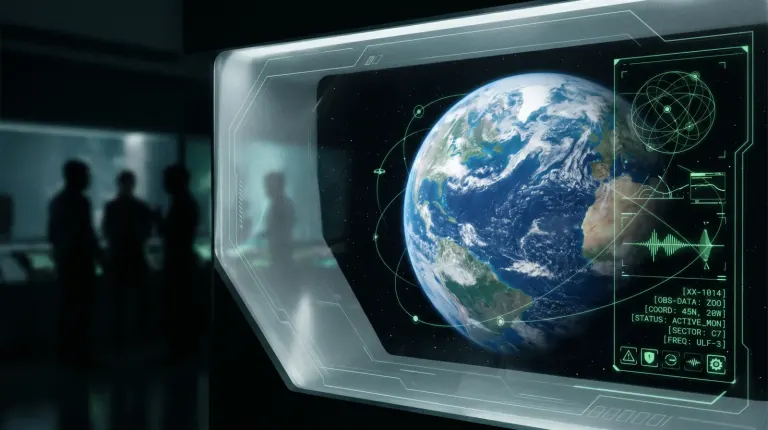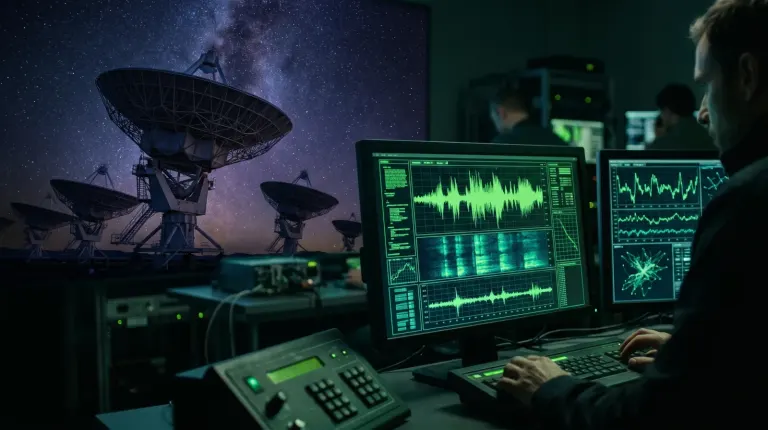
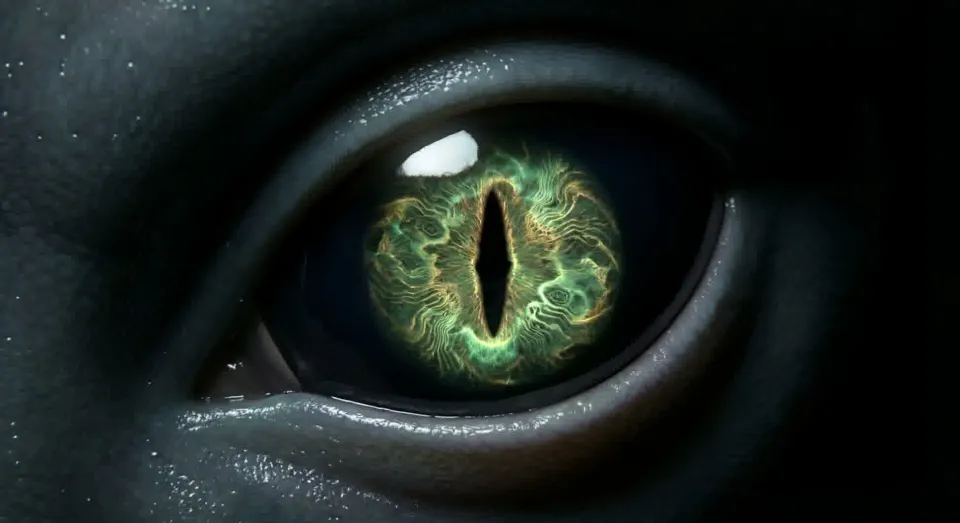
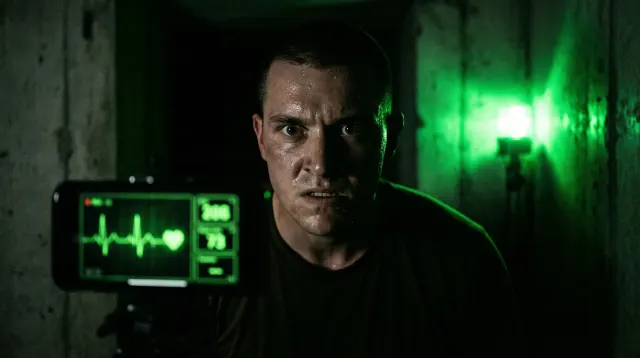
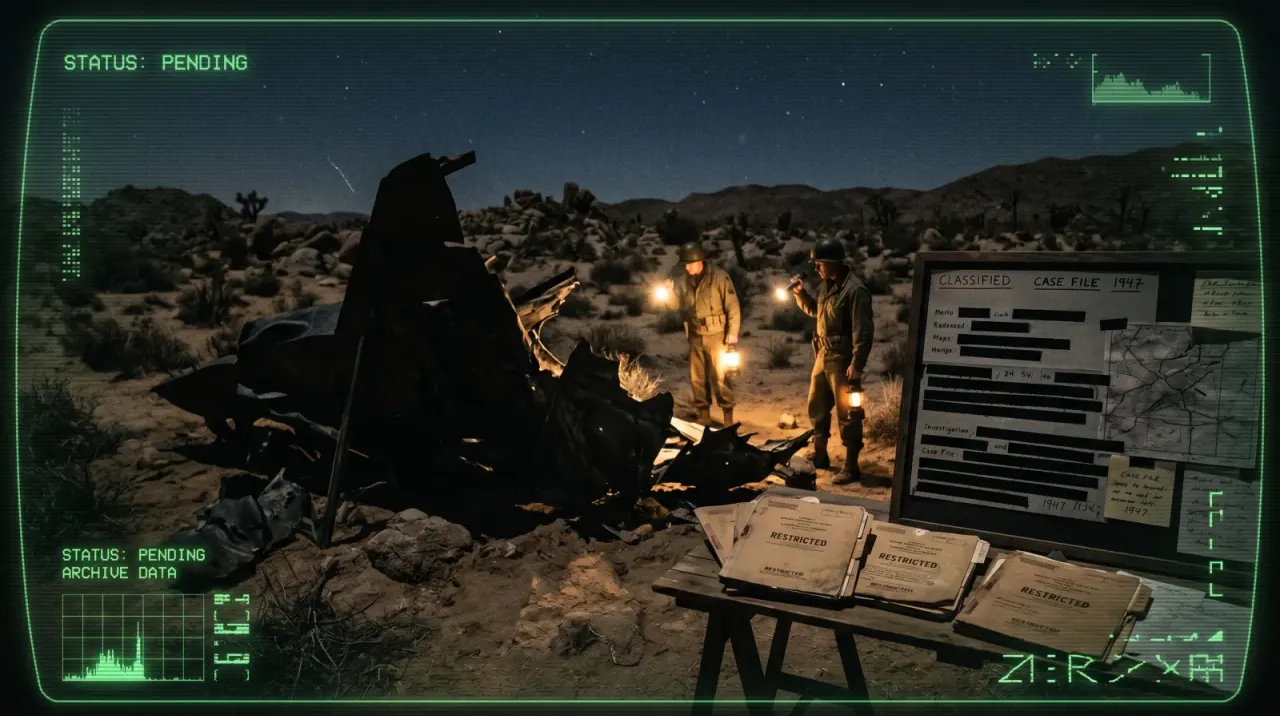
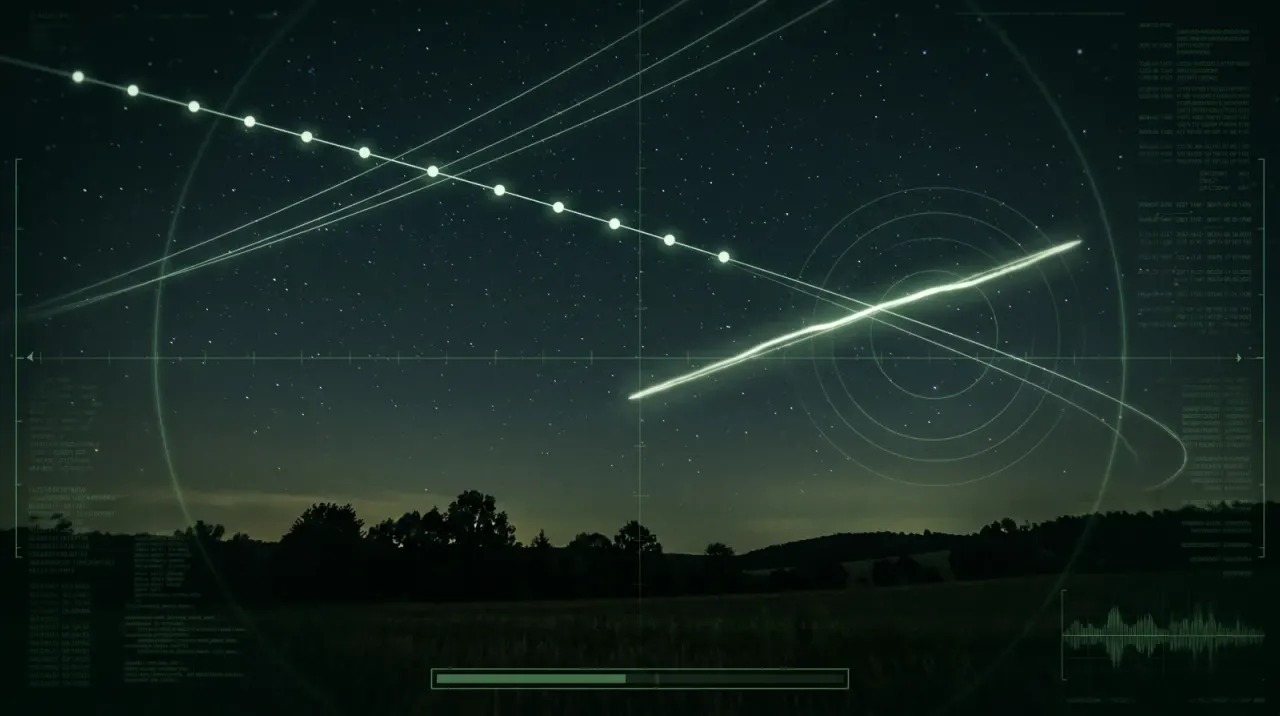
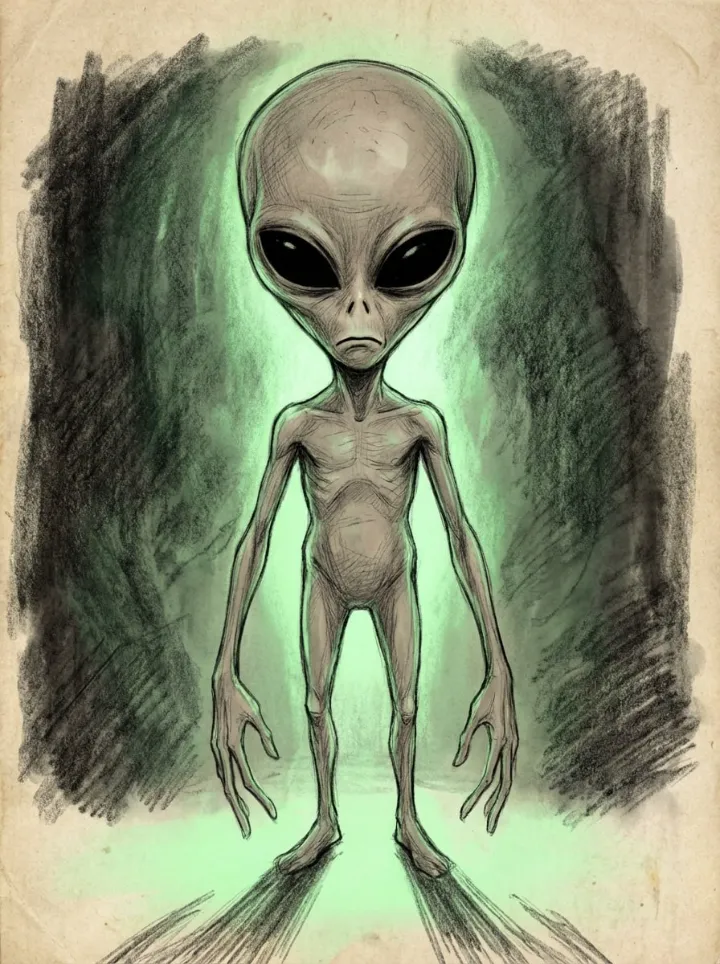
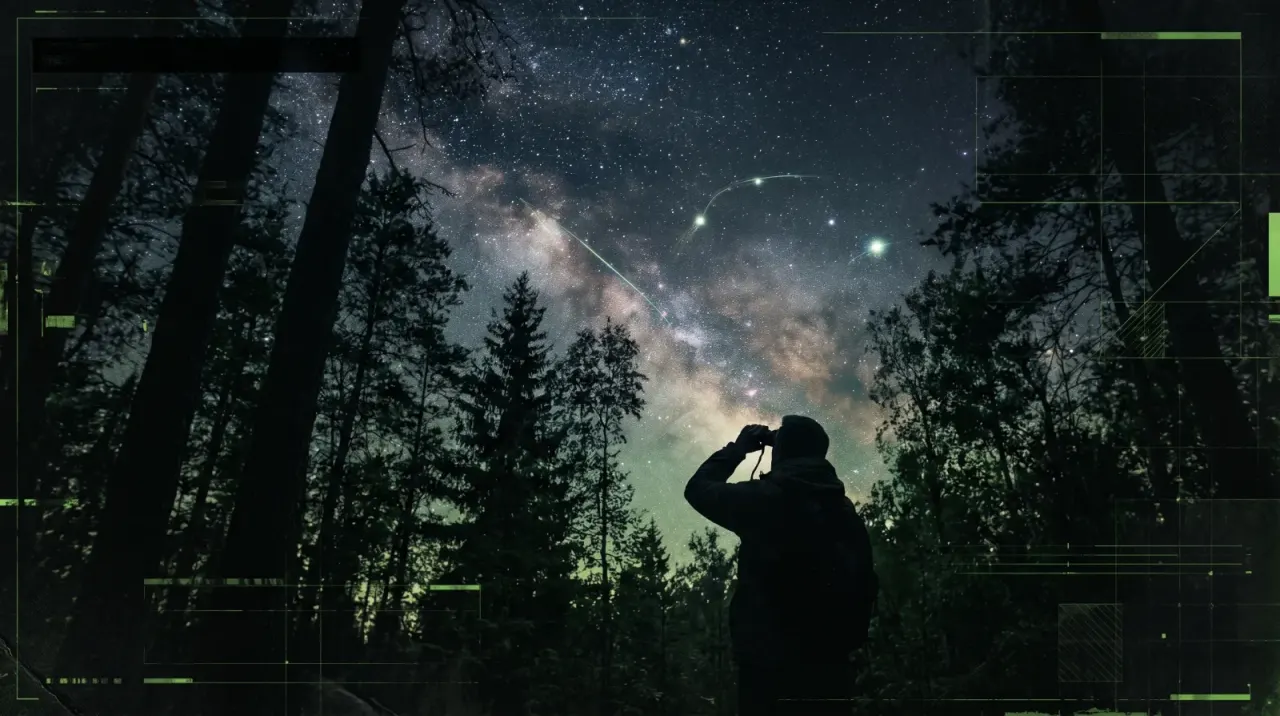
Dark Forest theory is a speculative answer to the Fermi Paradox. It says the universe may be quiet because advanced civilizations hide. In this model, broadcasting your position to unknown intelligences is not brave. It is standing in a dark forest and announcing your location to every hunter.
There is no public proof that Dark Forest theory describes reality. Its value is not certainty. Its value is discipline. It forces civilians to ask what signal, evidence, location, and behavior should stay controlled when the unknown might be listening.
Why do people ask about Dark Forest theory?
People ask about the Dark Forest theory because it turns cosmic silence into a threat model. The question is no longer only, where is everyone? The question becomes, what if the quiet ones survived because they stayed quiet?
The model became widely known through science fiction, but it connects to real first-contact debates: unknown intent, communication risk, detection, preemptive fear, and whether humanity should announce itself or listen first. It is not proof. It is a warning-shaped thought experiment.
What the model claims
Dark Forest theory assumes civilizations cannot easily know one another's intentions. Distance slows trust. Technology can change fast. A peaceful signal could reveal a vulnerable location. A hostile listener might choose elimination before conversation.
That chain is grim, but useful. It does not mean civilians should panic. It means the default response to unknown contact should not be noise. The more uncertain the listener, the more valuable restraint becomes. The same holds if the listener is a machine, the case the AI probe theory considers.
Dark Forest vs Zoo Hypothesis
The Zoo Hypothesis imagines advanced civilizations observing humanity while avoiding interference. Dark Forest theory imagines civilizations hiding because exposure is dangerous. Both explain silence. They differ in emotional temperature. One feels like being watched. The other feels like being hunted.
Neither model is proven. Both are useful because they train behavior. If the universe is managed, do not perform. If the universe is dangerous, do not shout. In both cases, the civilian role begins with calm evidence and controlled escalation.
What this means for first contact readiness
Dark Forest theory trains operational humility. A civilian does not need to solve cosmic strategy. A civilian needs to avoid becoming the person who escalates an unknown event because attention felt good.
In Disclosure terms, the Sentinel controls perimeter, the Scholar preserves evidence, the Diplomat lowers panic, and the First Contact archetype understands that communication without restraint can become a liability.
Common questions
What is Dark Forest theory?
Dark Forest theory is a speculative answer to the Fermi Paradox. It suggests civilizations may stay quiet because revealing themselves to unknown intelligences could be dangerous.
Is Dark Forest theory proven?
No. Dark Forest theory is a hypothesis and thought experiment, not an established description of the universe.
What does Dark Forest theory mean for first contact?
It makes restraint, verification, signal discipline, and careful escalation more important because unknown intent cannot be assumed.
Should civilians try to signal unknown objects?
Civilians should avoid reckless signaling, lasers, drones, public coordinates, and viral stunts. Documentation and safety come first.
How does Disclosure use Dark Forest theory?
Disclosure uses it as a readiness model that trains civilians to stay calm, protect evidence, and avoid escalating unknown events for attention.