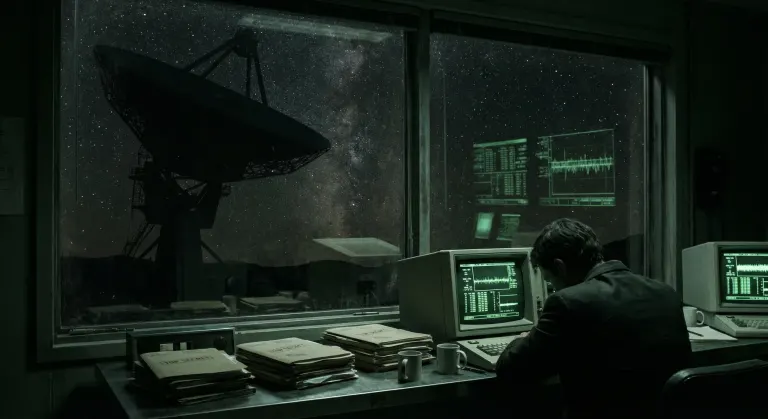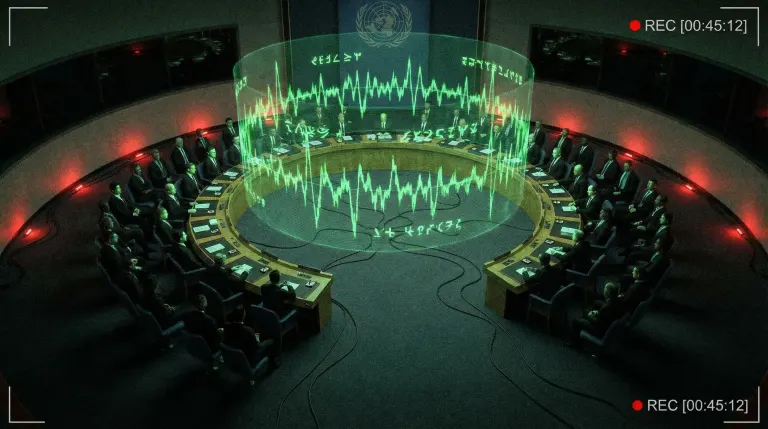
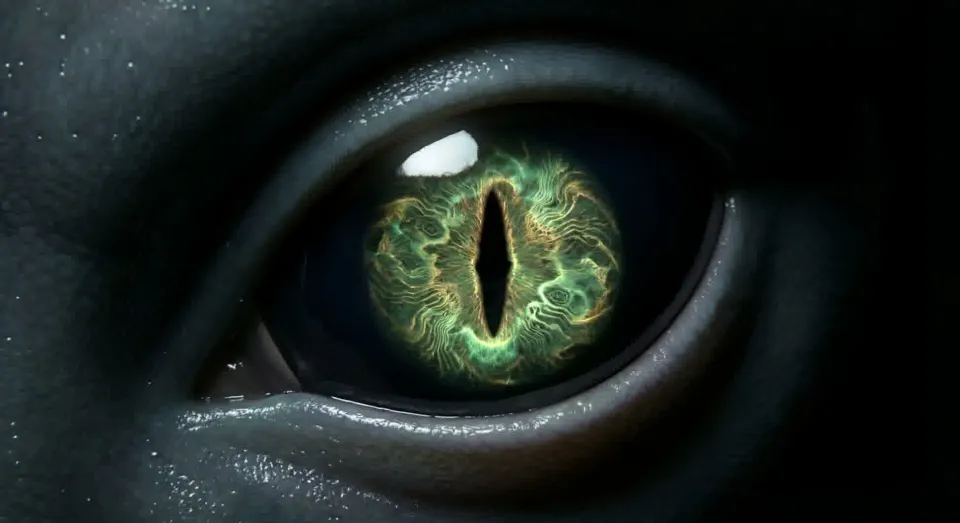
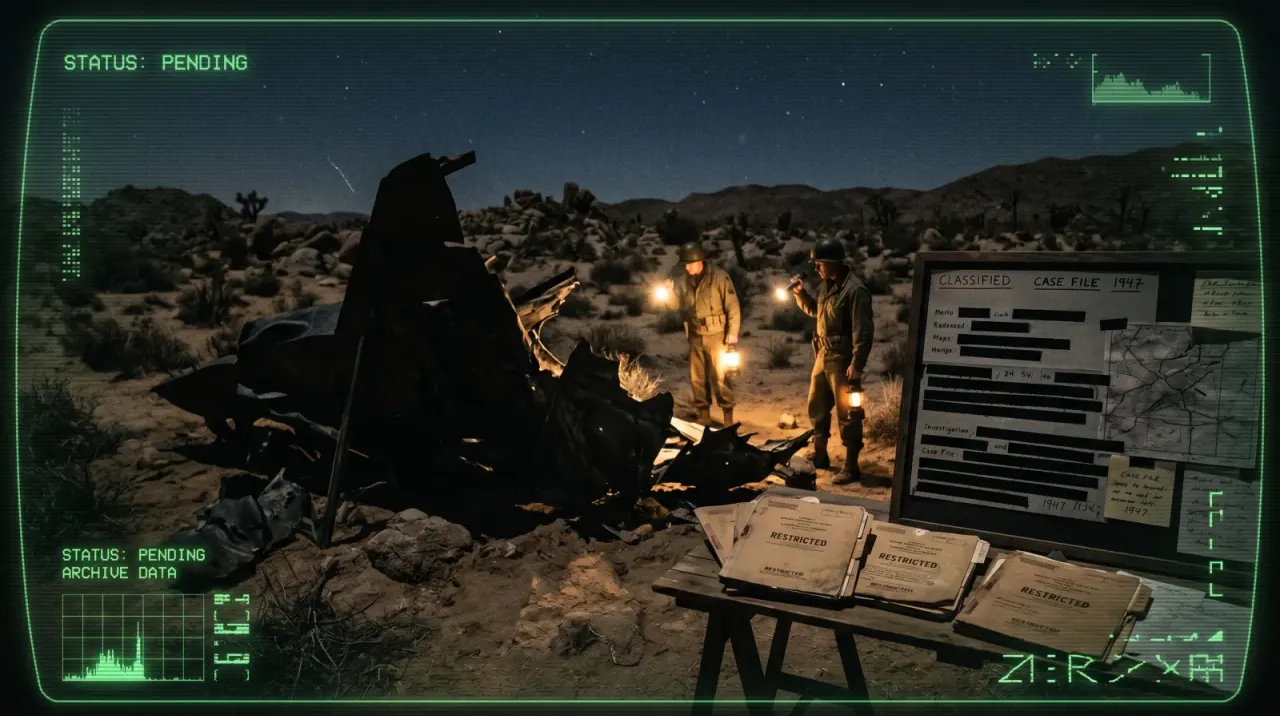
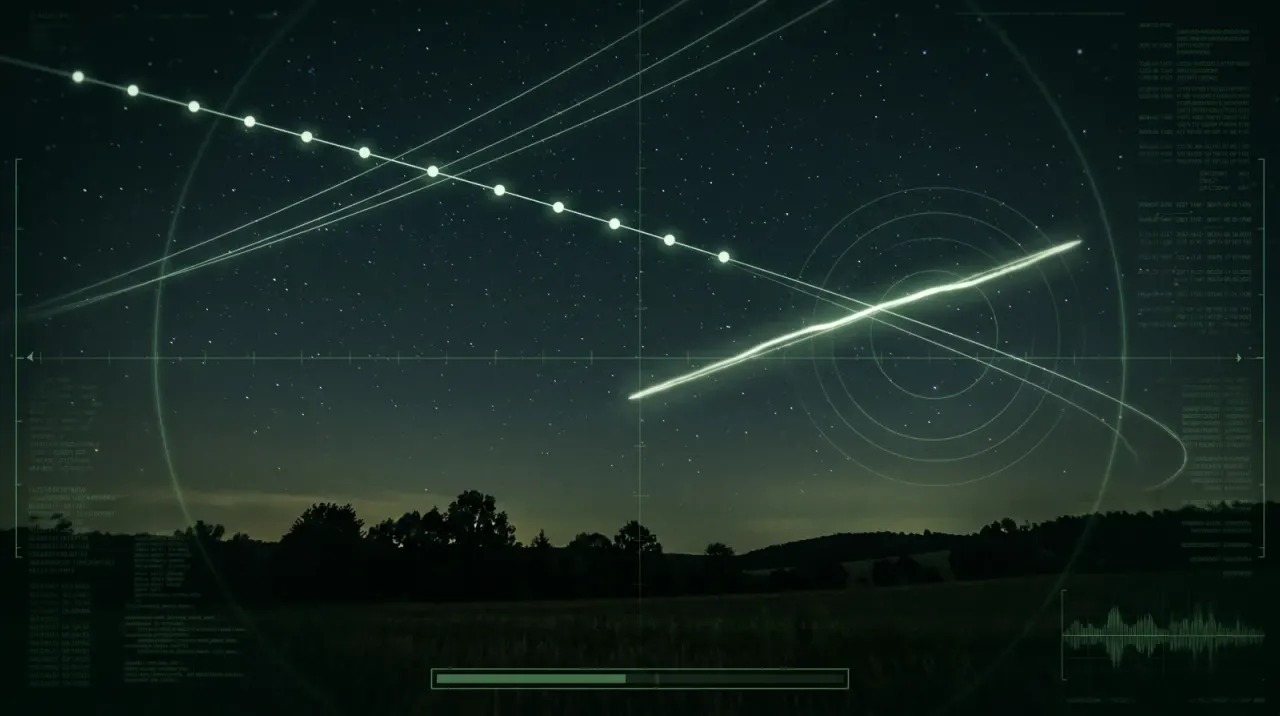
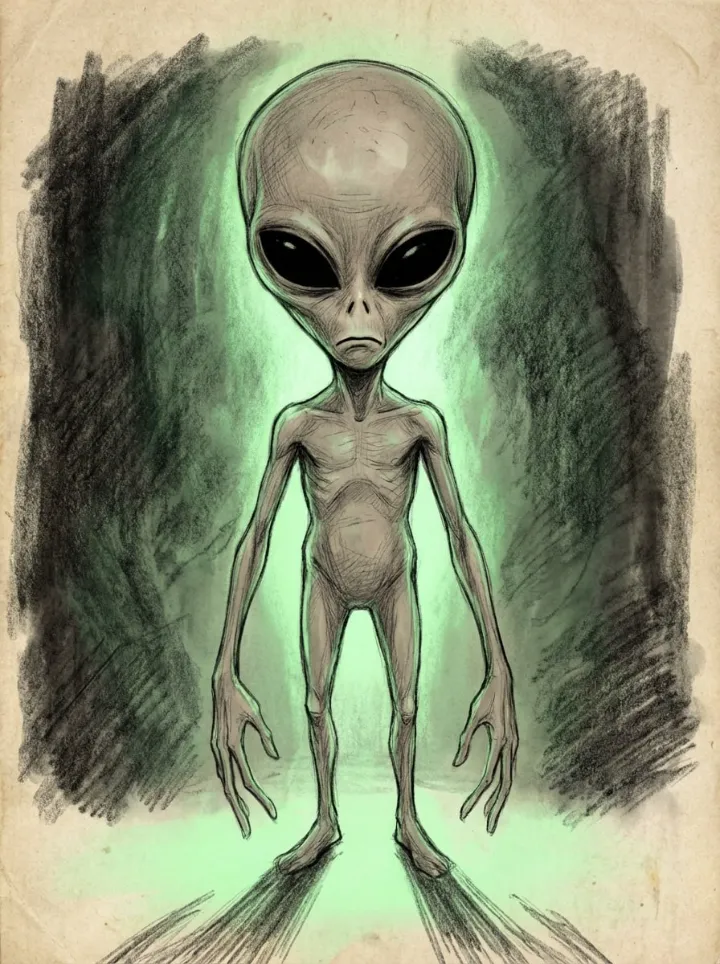
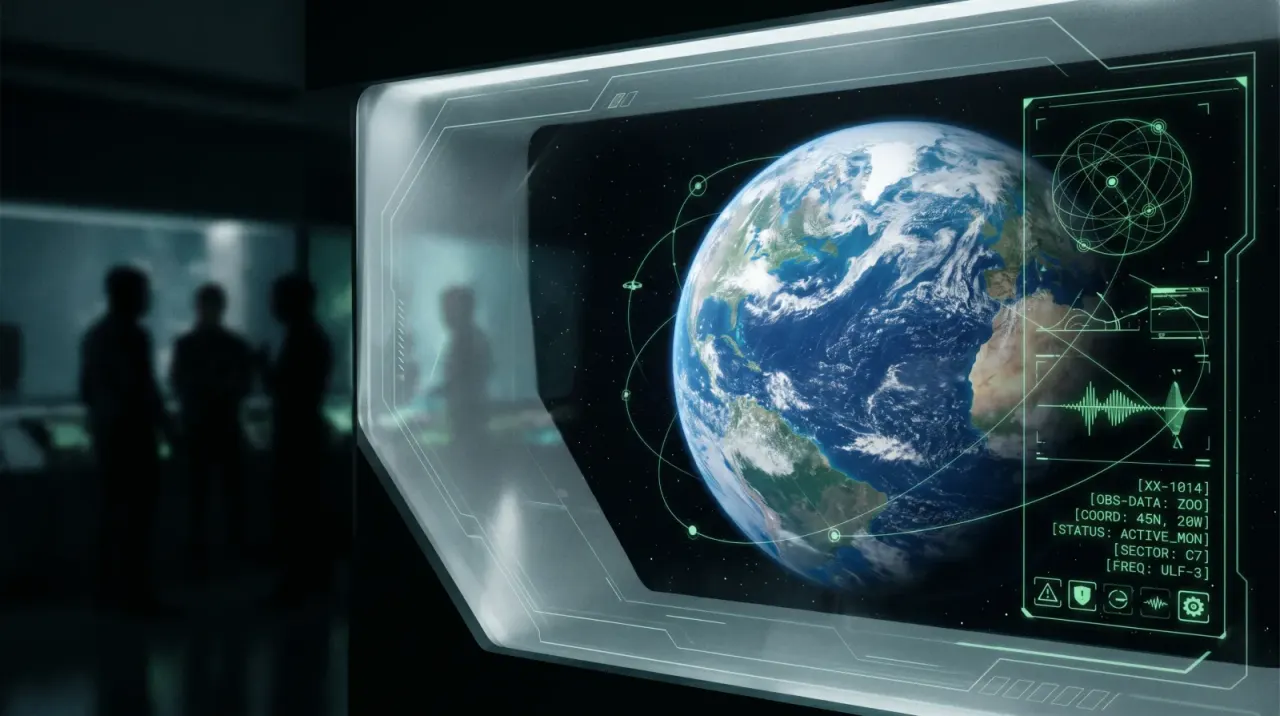
The Zoo Hypothesis is a proposed answer to the Fermi Paradox. It suggests advanced civilizations may already know humanity exists, but choose to observe rather than openly intervene. In this model, Earth is not ignored. It is watched from behind a rule.
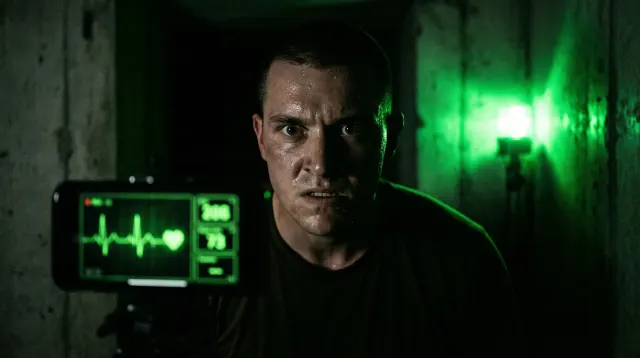
There is no public proof that the Zoo Hypothesis is true. Its value is behavioral. If humanity were being observed, civilian reaction would matter. Restraint would matter. The first contact test might not be whether we notice them, but whether we can stay functional once we think they noticed us.
Why do people ask about the Zoo Hypothesis?
People ask about the Zoo Hypothesis because the silence feels suspicious. If the universe is old and large, where is everyone? One answer says they are absent. Another says they are hidden. The interdimensional model says they may not be crossing ordinary space at all. The Zoo Hypothesis says they may be present, but choosing distance.
That idea is unsettling because it turns humanity into the subject of observation. It also changes the emotional frame. The unknown is not simply out there. It may be watching how we behave with incomplete information.
What the model claims
The model proposes some version of non-interference. Advanced civilizations could avoid open contact to protect developing cultures, prevent contamination, reduce conflict, preserve scientific observation, or wait until a threshold is reached. That threshold could be technological, ethical, social, or environmental.
The darker version is quarantine. In that version, silence is not kindness. It is containment. The public should not treat either version as fact. The correct use is scenario training: if attention is managed, behavior under attention becomes part of readiness.
What it would change about protocol
If the Zoo Hypothesis were relevant, the first civilian mistake would be escalation for attention. People would try to prove humanity is ready by being loud, dramatic, spiritual, aggressive, or spectacular. That is backwards. Readiness looks boring from the outside: calm records, clean boundaries, no mob behavior, no false claims.
It would also make signal discipline more important. A civilization under observation should not treat every unknown as a stage. Not every light gets a laser. Not every object gets a drone. Not every rumor gets amplified before verification.
What this means for first contact readiness
The Zoo Hypothesis trains restraint. If contact is delayed, managed, or conditional, the population response becomes part of the event. The civilian who stays calm, documents clearly, and lowers panic is more useful than the loudest believer in the field.
In Disclosure terms, the Sentinel prevents crowd breach, the Scholar preserves the signal, the Diplomat lowers social temperature, and the First Contact archetype refuses to turn observation into worship.
Common questions
What is the Zoo Hypothesis?
The Zoo Hypothesis is a proposed answer to the Fermi Paradox. It suggests advanced civilizations may observe humanity while avoiding open interference.
Is the Zoo Hypothesis proven?
No. The Zoo Hypothesis is speculative and has no public proof. It is useful as a model for thinking about contact restraint and observation.
Why would aliens avoid contacting Earth?
Possible reasons include non-interference, quarantine, study, risk management, cultural protection, or waiting for a developmental threshold.
What would the Zoo Hypothesis mean for civilians?
It would make public behavior, restraint, signal discipline, and calm documentation more important because human reaction itself could become part of the contact event.
How does Disclosure use the Zoo Hypothesis?
Disclosure uses it as a readiness scenario: if humanity is being observed, the first test is whether civilians can remain functional under attention.