


A mantid alien encounter is usually reported as clinical, insectoid, and deeply impersonal. The practical civilian answer is this: do not treat it like a fight. Stabilize your mind, reduce panic, avoid useless resistance, and preserve a clean memory record afterward.
This is encounter lore, not verified biology. The Mantid profile is a pattern found in reported insectoid contact accounts: tall praying-mantis-like figures, observation, procedure, paralysis, and the disturbing sense of being studied rather than hated. The mantis shape is only one branch of those accounts, and insectoid alien reports beyond the mantis have their own file.
Why do people ask about mantid alien encounters?
This file draws questions because Mantid reports feel different from the usual Grey narrative. The fear is not just "will it hurt me?" The fear is "does it even understand me as a person?" That is why the profile is ranked HIGH. Emotional appeal is not part of the reported interaction.
In practical terms, that means crying, shouting, bargaining, or performing fear may not change the event. Your usable control is internal: breath, attention, memory, and post-event documentation.
Reported profile
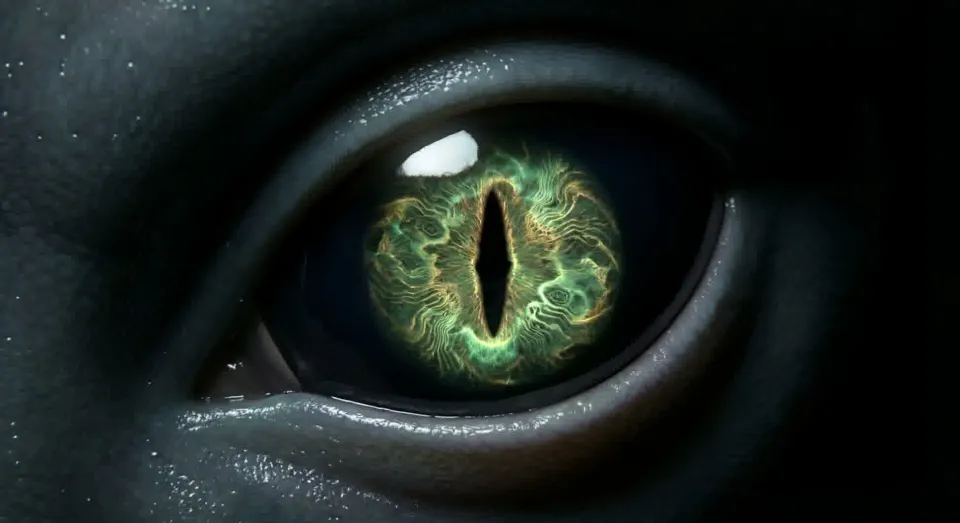
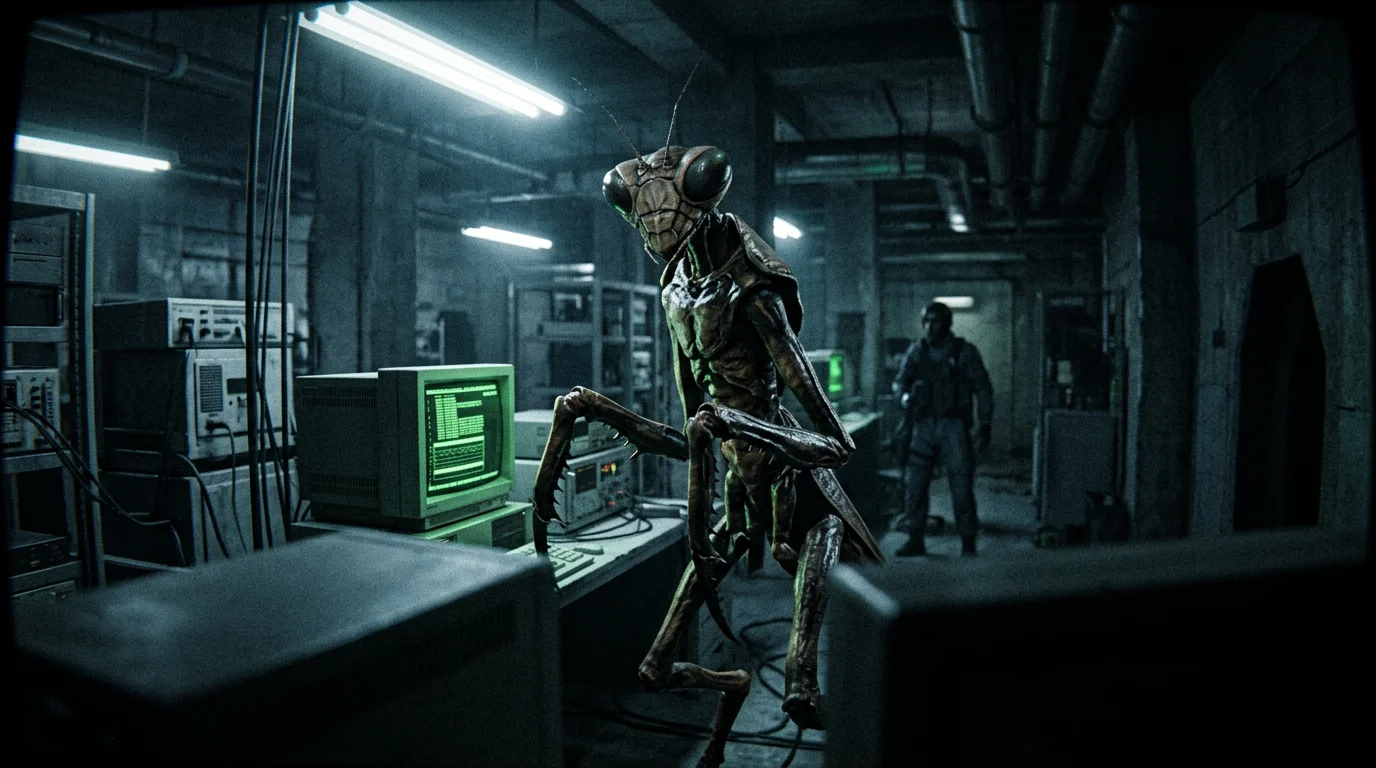
Witness accounts and regression lore usually describe Mantids as tall insectoid entities with long limbs, triangular heads, and large compound eyes. They are often described as supervisors or observers during encounters involving other entities.
The important pattern is not the shape. It is the behavior: organized, quiet, sequential, and indifferent to the subject's emotional distress. That does not make them evil. It makes the encounter harder for a human brain to process.
The specimen problem
That does not mean you should ignore ordinary safety. If you have a clear chance to leave before the event closes around you, leave. If you are restrained, frozen, or psychologically overwhelmed, shift to mental protocol. Do not spend your last clear seconds feeding panic.
What not to do
- Do not thrash blindly. Reports associate resistance with deeper restraint, not escape.
- Do not beg for emotional recognition. The profile does not appear to process distress the way humans expect.
- Do not invent meaning during the event. Meaning comes later. Survival first, record second, interpretation third.
- Do not isolate afterward. The emotional residue of being treated like an object can hit harder than the visual memory.
Civilian mental protocol
- Name the frame. Silently identify it: "This is observation. I am recording."
- Anchor the body. Track breath, heartbeat, surface pressure, temperature, and one sound.
- Use a memory phrase. Repeat: "Sequence first, meaning later."
- Reduce emotional output. Not because fear is wrong, but because panic burns detail.
- After the event, build a timeline. Start with the last normal moment and the first normal moment after.
What Survivors of this profile often report
- Immobility: a sudden inability to move or speak.
- Observation: the sense of being read or examined before anything else happens.
- Procedure: actions that feel medical, technical, or data-focused, often without explanation.
- Emotional residue: shame, unreality, fear of sleep, body discomfort, or a lasting sense of objectification.
- Fragmented memory: flashes rather than a clean narrative.
If this sounds familiar, do not force memory with panic scrolling. Write the fragments. Mark what you know, what you suspect, and what you cannot verify. Keep the record clean.
How your archetype helps
Different civilians break differently under a clinical encounter. A Sentinel may fight restraint. A Diplomat may search for empathy. A Scholar may dissociate into analysis. Your archetype tells you which instinct needs training before it owns the room.
Start with the archetype quiz, then review the archetype files. The goal is not to become fearless. The goal is to know your default response before the unknown starts pressing buttons.
Common questions
What is a mantid alien encounter?
In encounter lore, a Mantid alien encounter describes a tall insectoid or praying-mantis-like entity associated with observation, procedure, paralysis, and clinical indifference.
Are Mantid aliens dangerous?
This guide ranks Mantid reports as high because the reported threat is loss of control, restraint, and psychological distress, not ordinary hostility. That is a response difficulty rating, not proof of verified biology.
What should you do in a Mantid alien encounter?
If you can safely leave early, leave. If restraint, immobility, or panic takes over, use mental protocol: breathe, anchor attention, repeat a memory phrase, and document sequence before meaning afterward.
What should you not do during a Mantid encounter?
Do not thrash blindly, beg for emotional recognition, invent meaning during the event, or isolate afterward. Focus on steadiness and clean memory preservation.
How does the Disclosure quiz help with Mantid encounters?
The quiz identifies whether your default first-contact response is protective, diplomatic, analytical or self-preserving. That helps you train the instinct most likely to fail under clinical pressure.