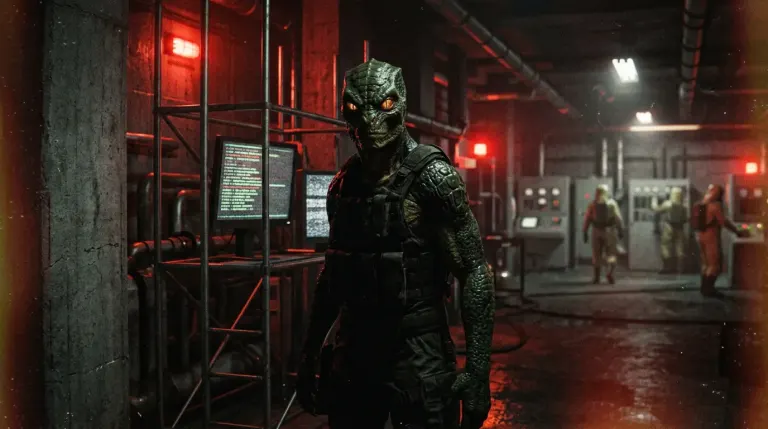


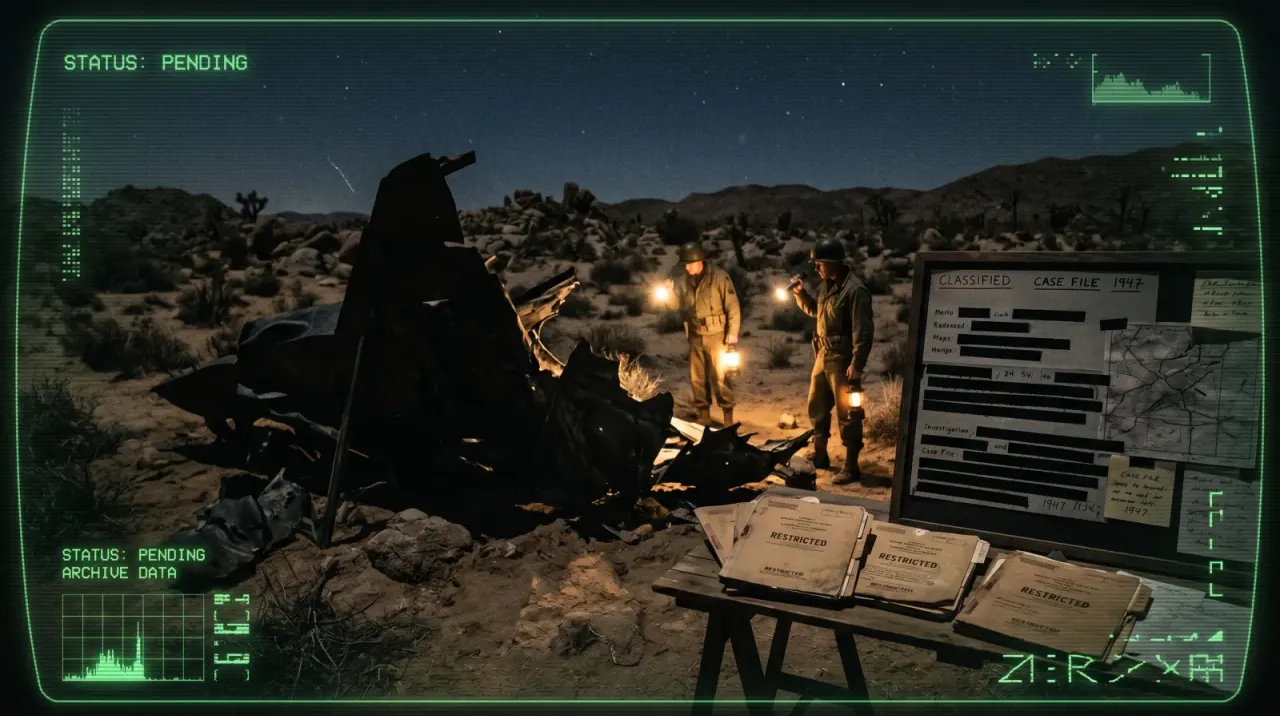
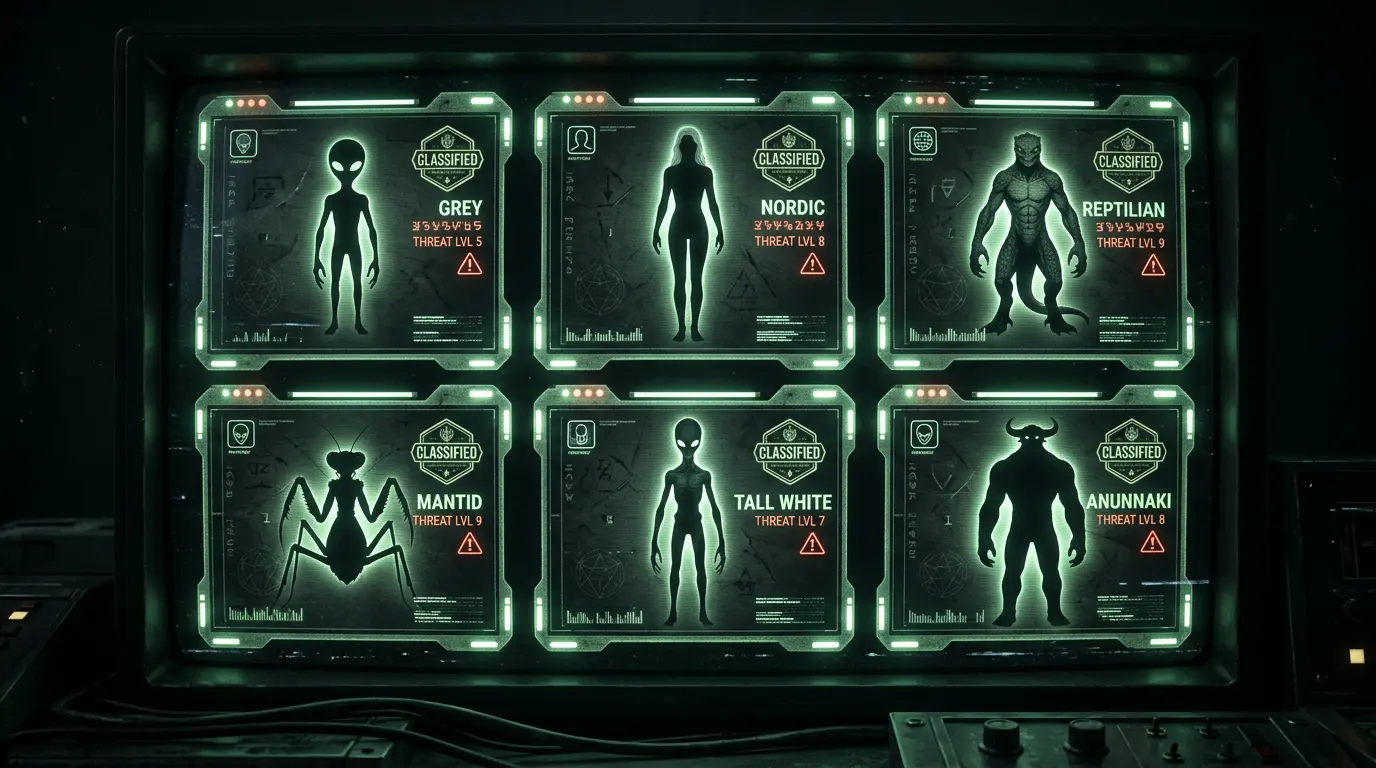
In encounter lore, the highest-risk reported categories are Reptilian, Grey, and Mantid. Nordic and Tall White reports are usually described as conditional. Anunnaki reports sit outside the normal scale because they are tied to origin myths, ancient-contact claims, and classified-progenitor lore.
Do not treat this as verified biology. Treat it as a civilian field guide: recurring witness language, reported behavior patterns, and the first-contact mindset that helps you stay calm if something impossible enters your environment.
The point is not to memorize monsters. The point is to identify behavior before you react. A calm civilian with a simple protocol has a better chance of documenting, de-escalating, and getting out clean than a panicked civilian trying to win an argument with the unknown.
How to read this threat ranking
These threat levels measure response difficulty for civilians, not moral intent. A HIGH profile may be clinical rather than hostile. A CONDITIONAL profile may still become dangerous if you rush it, chase it, or misread the situation.
- CLASSIFIED: Claims are too broad, mythic, or origin-linked for normal civilian protocol.
- CRITICAL: Reports describe fast escalation, dominance testing, or severe consequences for the wrong first move.
- HIGH: Reports describe control, restraint, procedure, memory effects, or clinical indifference.
- CONDITIONAL: Reports describe observation, assessment, or rules that can be navigated if you do not force contact.
For role-based preparation, use the archetype quiz. For how your role behaves in a group, read the civilian archetype files.
Rank 01: Anunnaki
Reported threat: classified
Anunnaki reports are not useful as a normal street-level encounter profile. They belong to the oldest layer of contact lore: Sumerian texts, origin stories, species-engineering claims, and long-cycle visitation theories.
That makes the file culturally important, but operationally unstable. A civilian should not hear "Anunnaki" and assume a clear protocol. The practical move is documentation, source discipline, and skepticism with a pulse. Record what was seen. Separate firsthand observation from interpretation. Do not turn mythology into certainty during an active event.
Civilian protocol
- Write down the exact claim, symbol, dream, object, or message before interpreting it.
- Ask what is observable: light, sound, location, timing, witnesses, physical traces.
- Do not follow instructions from an unknown source, especially instructions that isolate you from other people.
- Use the first contact briefing to keep the event grounded.
Rank 02: reptilian
Reported threat: critical
Reptilian alien reports are ranked CRITICAL because they are usually framed around dominance, threat assessment, and the first few seconds of contact. The common pattern is not conversation. It is evaluation.
If this profile appears in a reported encounter, the worst civilian move is to act tough. Do not square up. Do not hold a hard stare. Do not run unless there is a safe, clear exit and immediate physical danger. Reduce your threat profile: hands visible, body angled, voice low, movement slow.
Civilian protocol
- Lower your shoulders and keep your hands where they can be seen.
- Break hard eye contact without snapping your head away.
- Do not shout, advance, point weapons, or try to film from inside the danger zone.
- Leave only when a clear route exists. Then document time, place, witnesses, and physical details.
Full field note: Reptilian Alien Threat Assessment.
Rank 03: Grey
Reported threat: high
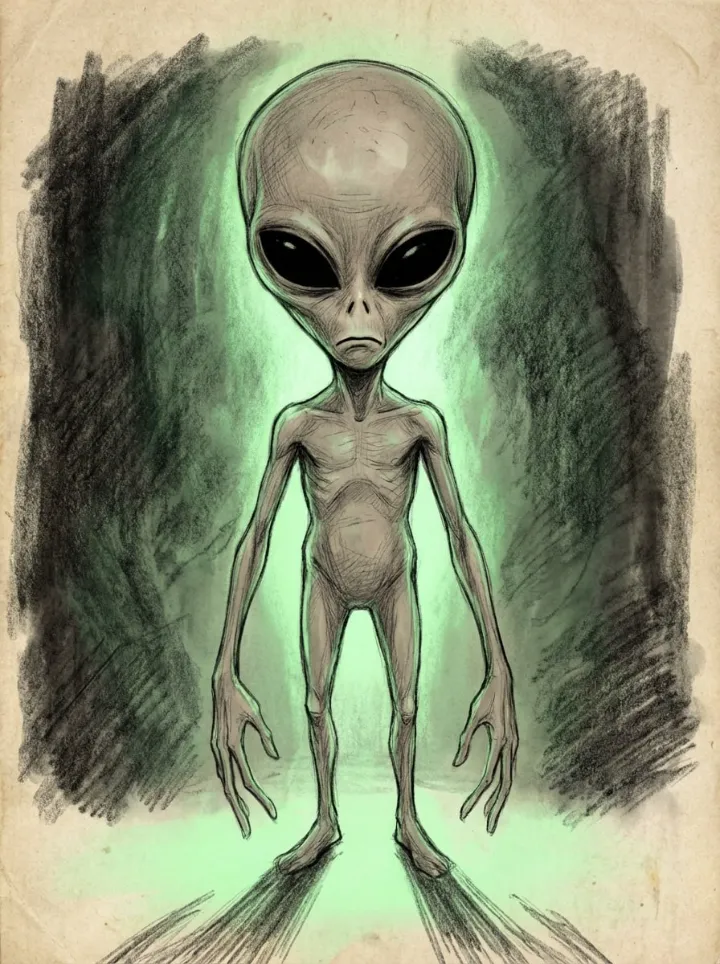
Grey alien reports are ranked HIGH because the pattern is clinical, controlled, and often tied to missing time. The threat is not usually described as rage or open attack. It is loss of control: paralysis, procedure, memory gaps, and the sense that the encounter continues no matter how frightened the witness becomes.
The practical rule is simple: reduce escalation. Stillness, slow breathing, and a non-threatening posture are more useful than panic. If the event ends, write down sensory details immediately before memory degrades or ordinary explanations overwrite the record.
Civilian protocol
- Get still. Sudden movement is reported as an escalation trigger.
- Use a simple mental anchor: name, date, location, one object in view.
- Do not chase lights, trespass, or enter isolated terrain alone.
- Afterward, document missing time, marks, witnesses, weather, electronics, and emotional residue.
Full field note: Grey Alien Encounter Survival Guide.
Rank 04: mantid
Reported threat: high
Mantid alien reports are ranked HIGH because witnesses describe them as clinical observers, not emotional opponents. That can be more disturbing than open hostility. In the lore, you are not treated as an enemy. You are treated as a subject.
Physical resistance has little reported value in this profile. The useful civilian skill is mental control: reduce panic, keep a clear internal anchor, and protect memory after the event. If there is a safe physical exit before restraint or paralysis is reported, take it. If not, fight the panic spiral before it takes the wheel.
Civilian protocol
- Keep one mental phrase on loop: "Observe. Breathe. Remember."
- Do not interpret emotional indifference as mercy or malice. It may be neither.
- Afterward, record sequence first, meaning second.
- Ask a trusted person to help create a timeline while details are fresh.
Full field note: Mantid Alien Encounter Guide. Mantid reports sit inside a wider set of mantis-like and hive reports, filed under insectoid aliens.
Rank 05: Nordic
Reported threat: conditional
Nordic alien reports are usually described as calm, humanoid, and advisory. That does not make them safe. CONDITIONAL means the outcome depends on context: why contact happened, who initiated it, and whether the civilian tries to force more than is being offered.
The civilian mistake is over-trust. A calm appearance can lower your guard. Keep boundaries. Do not enter vehicles, isolated areas, or private conversations without another human aware of your location. If information is offered, record it. Do not obey it blindly.
Civilian protocol
- Keep respectful distance and ask simple, non-leading questions.
- Do not abandon your group or location to continue contact.
- Verify any instruction against ordinary safety, law, and common sense.
- Use your archetype role to decide whether you document, de-escalate, protect, or analyze.
Rank 06: Tall White
Reported threat: conditional
Tall White reports are often framed around rules, testing, and narrow tolerance for panic. This is why they remain CONDITIONAL rather than LOW. The encounter is not necessarily hostile, but it may become unstable if the civilian acts erratic, intrusive, or disrespectful.
The practical response is calm competence. Announce movement before making it. Keep your hands visible. Do not approach children, equipment, craft, or restricted-looking areas. If they appear to be observing you, let your behavior make the cleanest possible record.
Civilian protocol
- Move slowly and explain simple actions out loud: "I am stepping back."
- Do not touch objects, barriers, clothing, tools, or apparent craft material.
- Do not test boundaries to see what happens. Boundary testing is how civilians become case studies.
- When safe, document from distance and leave the area.
What to do before you know the species
Most civilians will not identify a species cleanly in the moment. Stress, darkness, distance, fear, and expectation all distort perception. Use a universal first-contact baseline until the profile becomes clear.
- Stabilize yourself. Breathe, lower your voice, and stop sudden movement.
- Create distance. Distance gives you time, and time gives you options.
- Do not chase. Chasing a light, craft, or figure removes witnesses and increases risk.
- Document after safety. Record time, place, direction, sound, smell, device failures, other witnesses, and emotional effects.
- Classify your role. Take the archetype quiz so you know whether your default job is protection, de-escalation, analysis, or something rarer.
Common questions
What alien species are ranked highest threat?
In this civilian field guide, Reptilian reports rank highest on the standard threat scale because encounter lore frames them around dominance testing and fast escalation. Grey and Mantid reports are also ranked high because they involve control, procedure, memory effects, or clinical indifference.
Are these alien species verified?
No. These profiles should be treated as reported encounter patterns and contact lore, not verified biology. The practical value is learning calm behavior, documentation habits, and role awareness for uncertain first-contact scenarios.
What should civilians do during an unknown encounter?
Stabilize yourself, create distance if safe, avoid chasing or challenging the unknown, document only after safety, and record observable details before interpreting what they mean.
How do I prepare for first contact?
Start with role awareness. Take the Disclosure archetype quiz to learn your default civilian role. The app, now in development, turns that role into drills.
Where should I start if I do not know the species?
Use the universal baseline: stay calm, avoid sudden movement, keep distance, gather witnesses when safe, and document time, place, direction, sounds, device behavior, and physical traces.