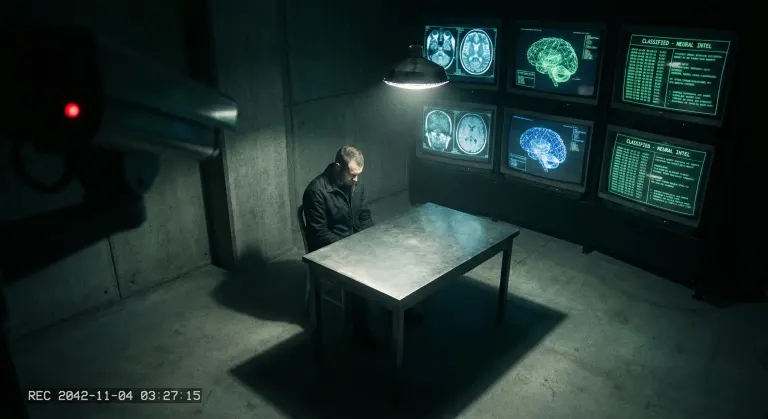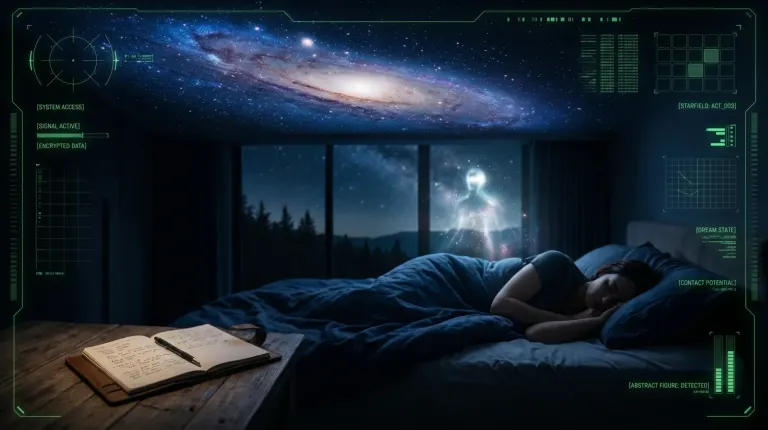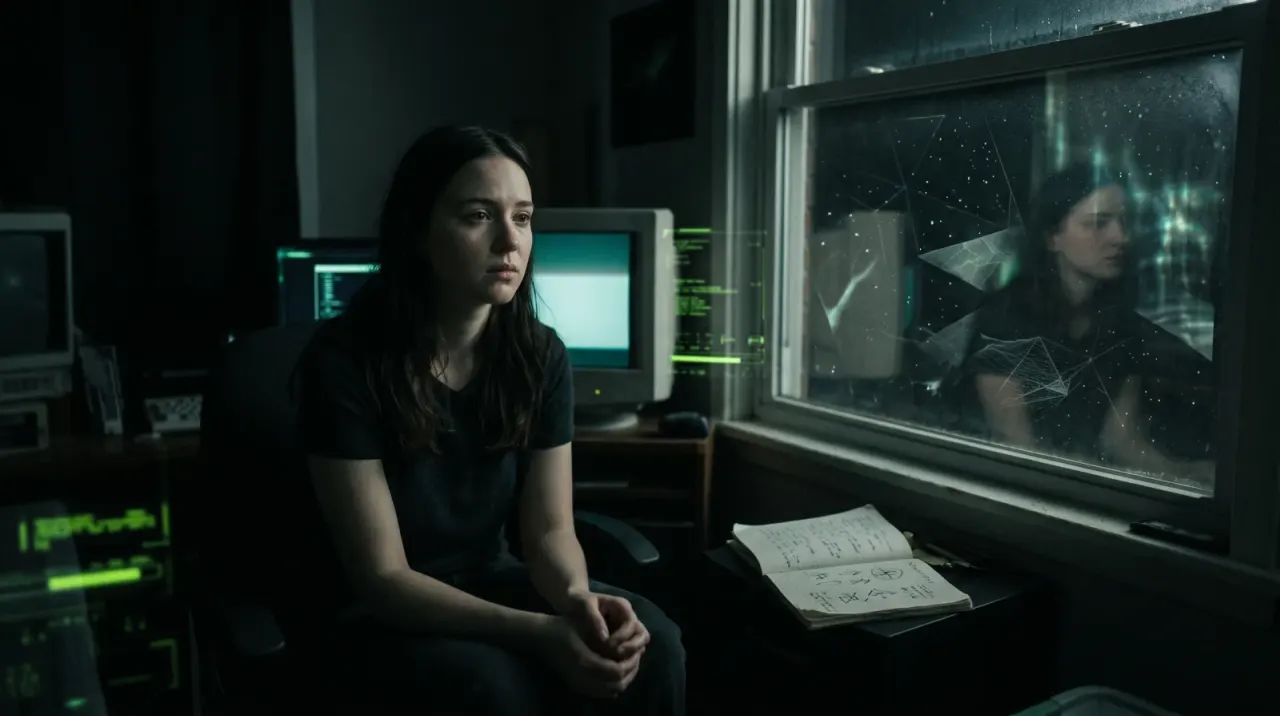
Ontological shock is the moment reality feels larger than your nervous system can comfortably hold. A UFO sighting, credible official disclosure, or direct contact claim can make ordinary assumptions feel unstable.
What ontological shock feels like
It can feel like awe, dread, derealization, anger, obsession, or a strange calm. The reaction is not proof that the event was alien. It is proof that the event collided with your worldview.
The mind hates unresolved categories. When a sighting does not fit aircraft, drone, satellite, weather, or hoax, the brain tries to rewrite the map too quickly. Slow that process down.
What not to do
Do not binge every terrifying theory in one night. Do not cut off skeptical people because they ask hard questions. Do not decide your entire life has a new mission before your sleep, body, and evidence are stable.
If you feel unsafe, unable to sleep, unable to function, or physically unwell, contact a qualified medical or mental-health professional. DISCLOSURE is a field guide, not a clinic.
How to rebuild ground
Use three columns: observed facts, possible explanations, and unknowns. Put every claim in one column. The discipline is simple: unknown does not mean impossible, and impossible does not become true because it feels powerful.
Your job is not to solve the universe overnight. Your job is to remain a reliable witness and a functional person.
Common questions
What is ontological shock?
Ontological shock is the destabilizing feeling that your model of reality may no longer be complete. It can follow an anomalous sighting, credible disclosure, or a direct contact claim.
Is ontological shock a diagnosis?
No. It is a plain-language description of a reaction, not a medical diagnosis. If distress, panic, sleep disruption, or physical symptoms persist, seek qualified medical or mental-health support.
How do you handle ontological shock after a UFO sighting?
Slow the event down, document facts, avoid doom-scrolling, talk to a grounded person, and get professional support if the reaction affects safety, sleep, work, or daily life.