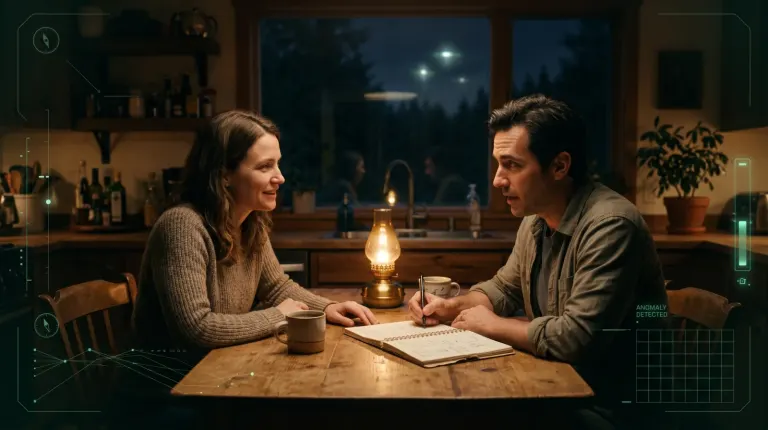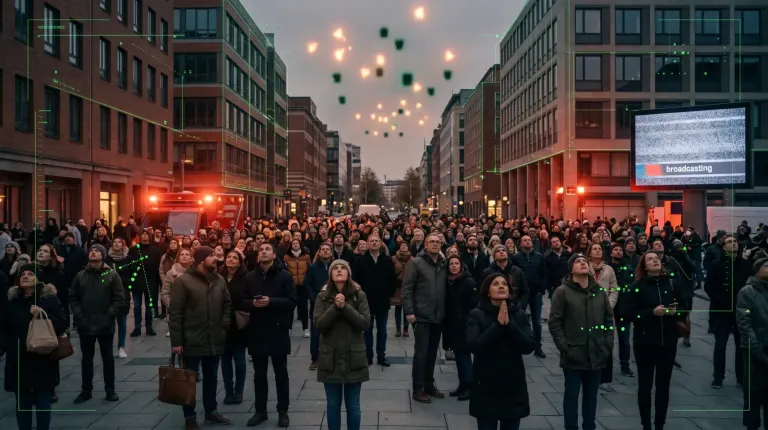

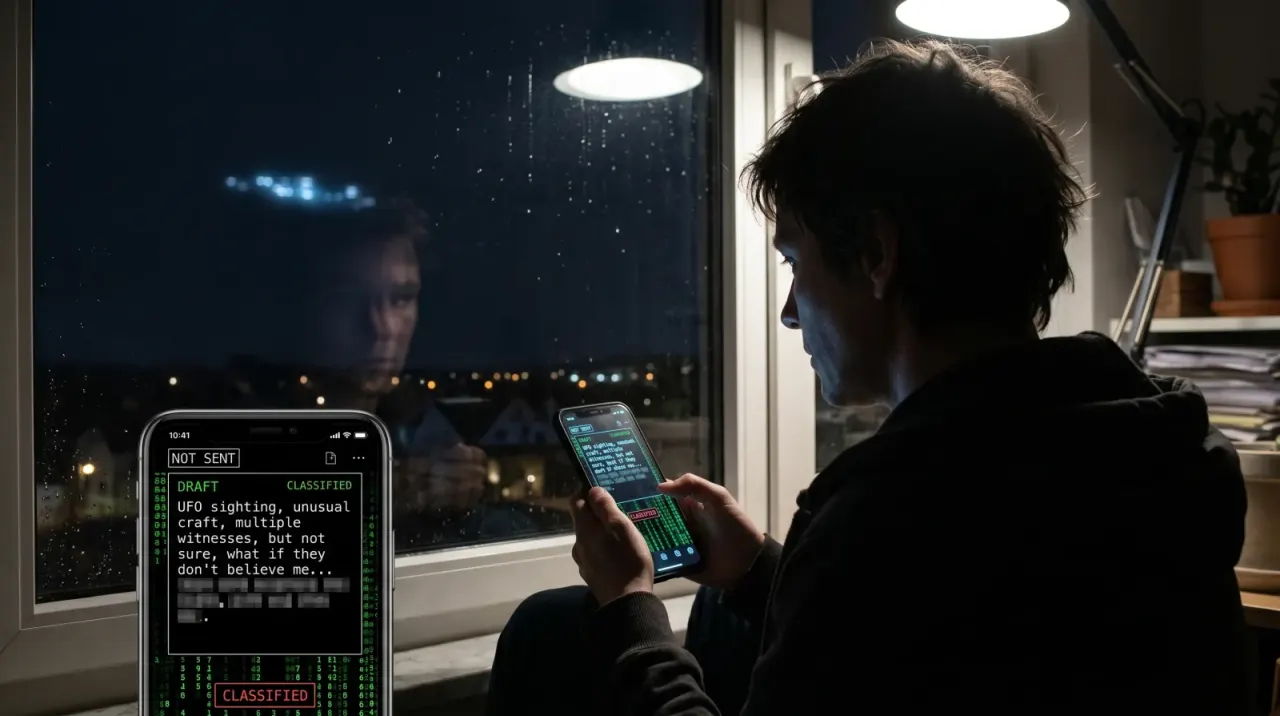
Many UFO witnesses stay silent because the social risk feels larger than the event. They may fear ridicule, workplace consequences, family conflict, or being pulled into someone else’s belief system.
Why silence happens
Witnesses know the cultural script. UFO stories get jokes before they get questions. A pilot, officer, teacher, nurse, parent, or business owner may decide the safest report is no report at all.
That silence protects reputation, but it also erases useful data. A serious culture needs a middle path between mockery and blind belief.
How stigma damages the record
When only the loudest people speak, the record gets distorted. Calm witnesses disappear. Careful witnesses hesitate. Bad footage travels faster than good notes. The public then mistakes the loudest archive for the whole archive.
A better witness culture rewards precision. It lets someone say: I saw something I cannot identify, and here is the evidence.
When public posting is a bad idea
Do not post while panicked, intoxicated, sleep-deprived, or physically unwell. Do not expose another witness without consent. Do not attach dramatic theories to a short clip before checking satellites, aircraft, drones, balloons, weather, and reflections.
Common questions
Why do UFO witnesses stay silent?
Many stay silent because they fear ridicule, career damage, family conflict, online harassment, or being associated with claims they did not make.
Is silence bad for UAP research?
Silence can bury useful timing, location, media, and witness detail. But people should share carefully and safely, not under pressure.
How can a witness speak without sounding unreliable?
Lead with facts, avoid certainty beyond the evidence, preserve originals, and say what you do not know.
See also Students were told to stay quiet after the Westall school sighting of 1966.