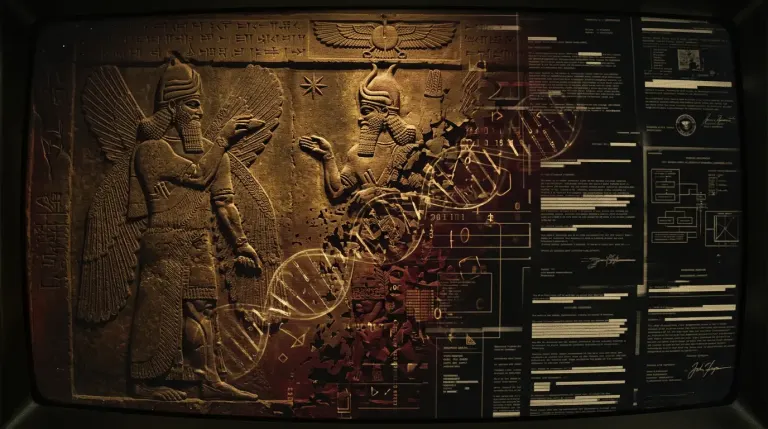

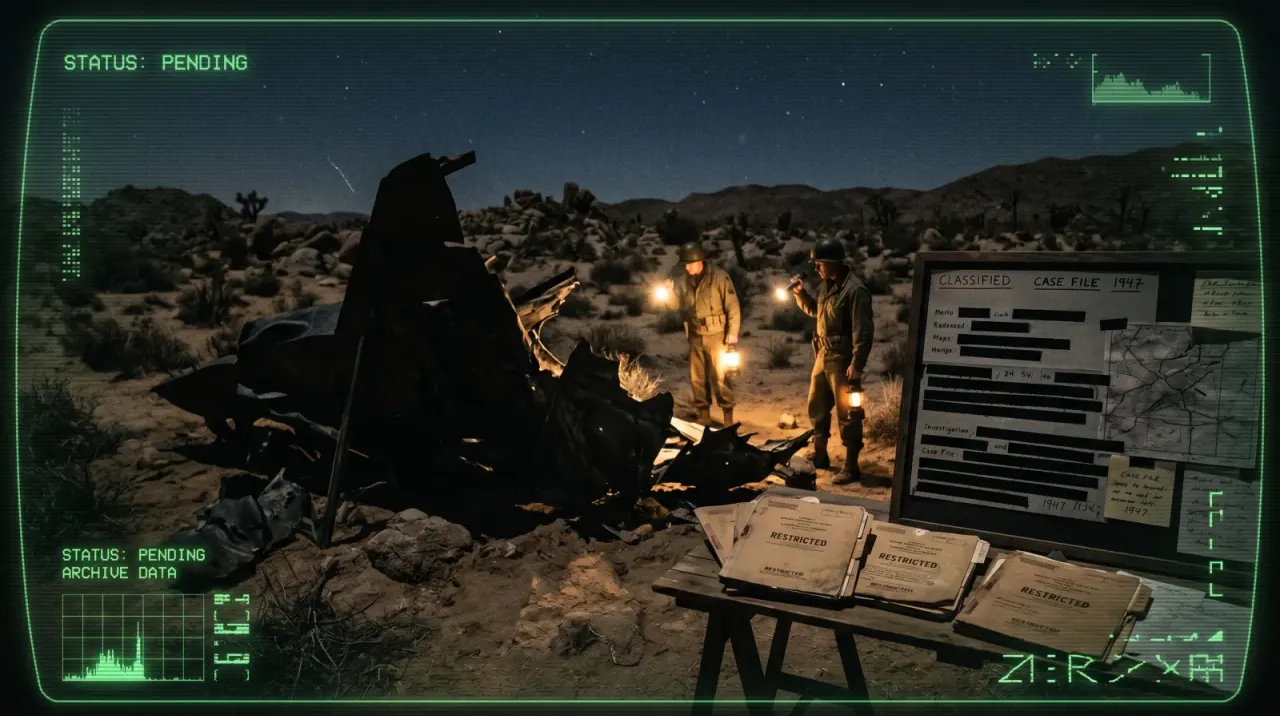
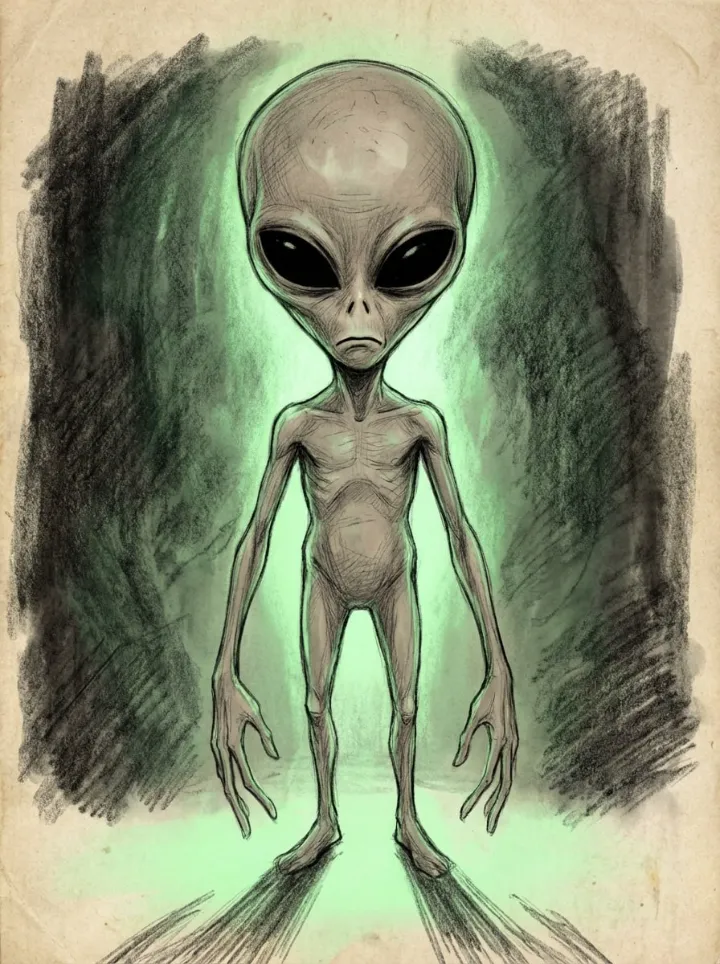
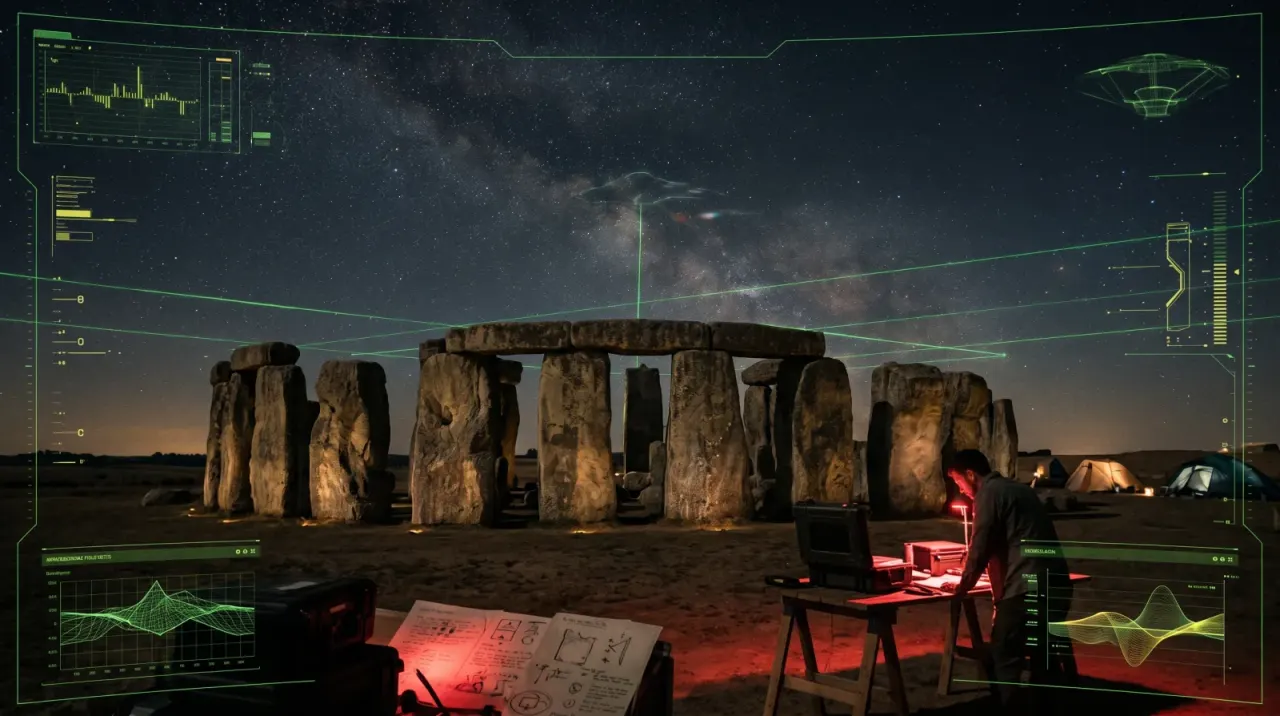
Ancient astronaut theory claims that ancient myths, monuments, texts, or technologies may preserve memories of contact with advanced visitors. The theory is disputed. It is not verified history, and mainstream archaeology explains ancient achievements through human culture, labor, engineering, and belief.
The civilian value is not proving pyramids were landing pads. The value is source discipline. First contact would produce origin-shock claims fast. A prepared civilian needs to separate evidence from interpretation before the story rewrites their judgment.
Why do people ask about ancient astronaut theory?
People ask about this theory because ancient history contains scale, precision, mystery, and myth. Pyramids, stone circles, flood stories, star maps, sky gods, flying chariots, and sudden cultural achievements all invite the same question: did humanity build this alone?
That question is powerful. It is also easy to exploit. A gap in public understanding is not evidence of non-human intervention. A myth with sky language is not automatically a flight report. A monument that feels impossible may still be human.
What the theory claims
The broad version says ancient people encountered advanced visitors and encoded those encounters in religion, art, architecture, or oral tradition. Stronger versions claim direct engineering, genetic influence, knowledge transfer, hidden artifacts, or elite bloodline control.
Those stronger versions require stronger evidence. Without it, they remain narratives. That does not make them useless. It means their best use is training for origin shock: how to stay calm when a story tries to change what humans think they are.
What it would change if true
If an ancient-contact claim were ever verified, the first danger would not be the past. It would be the present reaction. People would argue over religion, identity, authority, ownership, and what ancient contact means for modern power. Some would worship. Some would deny. Some would sell certainty before the evidence cooled.
A prepared civilian does not join the stampede. They ask what is confirmed, what is interpreted, who benefits from the claim, what behavior should change today, and whether the group around them is becoming more stable or less stable.
What this means for first contact readiness
Ancient astronaut theory trains resistance to spectacle. The bigger the claim, the slower the conclusion should be. That habit matters because first contact would arrive wrapped in narratives before it arrived wrapped in consensus.
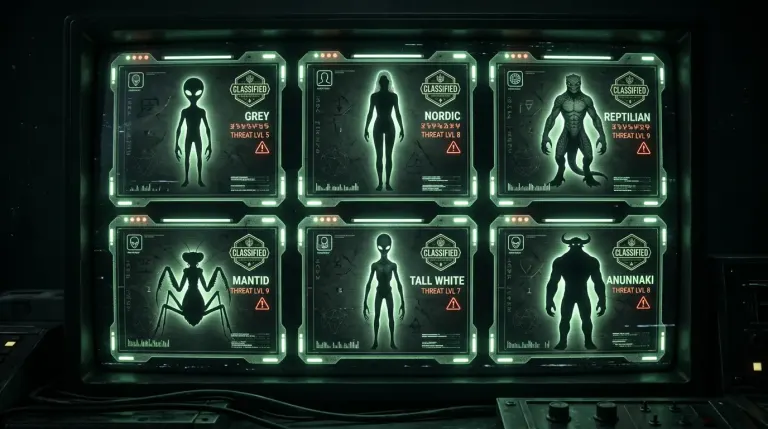
In Disclosure terms, the Scholar protects the source chain, the Sentinel protects people from cult logic, the Diplomat keeps identity arguments from becoming social damage, and the First Contact archetype must hold awe without kneeling to it.
Common questions
What is ancient astronaut theory?
Ancient astronaut theory is the disputed idea that ancient myths, texts, monuments, or technologies may reflect contact with advanced non-human visitors.
Is ancient astronaut theory proven?
No. Ancient astronaut theory is not verified history. Mainstream archaeology explains ancient monuments and texts through human cultures, labor, engineering, and belief systems.
Why do people believe ancient astronaut theory?
People are drawn to it because ancient structures, star lore, origin myths, and technological gaps can feel mysterious, especially when modern media connects them to contact narratives.
What is the civilian value of studying it?
The useful value is source discipline: separating artifact, translation, interpretation, entertainment, and speculation before making identity-level conclusions.
How does Disclosure frame ancient astronaut claims?
Disclosure treats them as origin-shock scenarios, not proof. The readiness goal is calm judgment when a claim challenges human history or identity.