

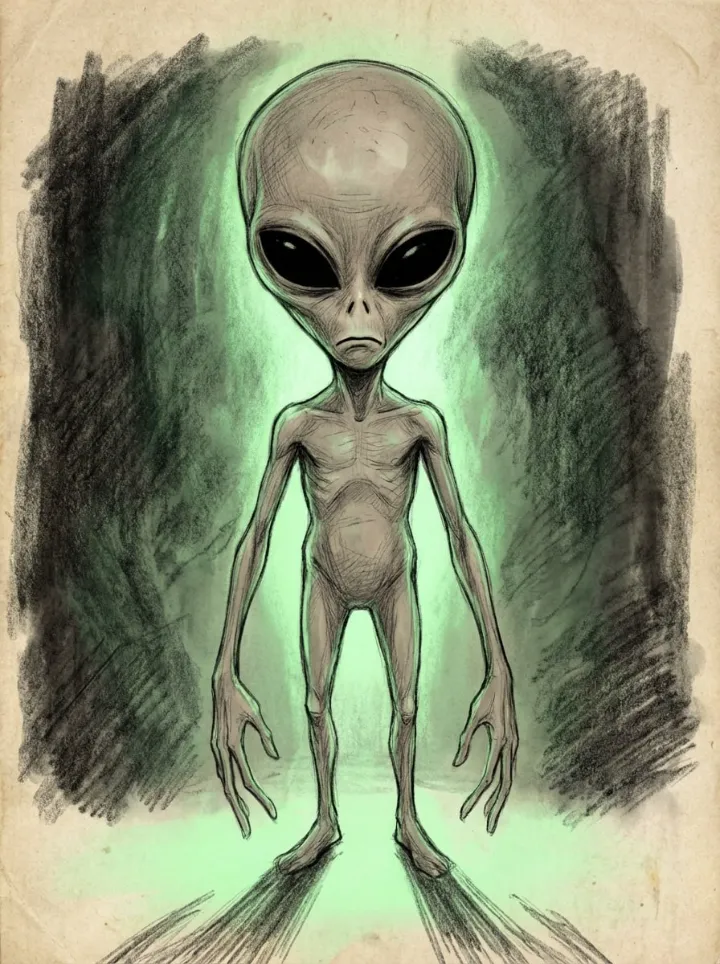

The Anunnaki creator species theory claims that humanity may have been shaped by an advanced non-human intelligence described in ancient Mesopotamian texts. That claim is not proven. It is contested, emotionally loaded, and powerful enough to make people stop thinking clearly.
That is why this file matters. The civilian value is not memorizing ancient names. The value is learning how to stay functional when a first-contact claim challenges the floor under human identity.
What the theory claims
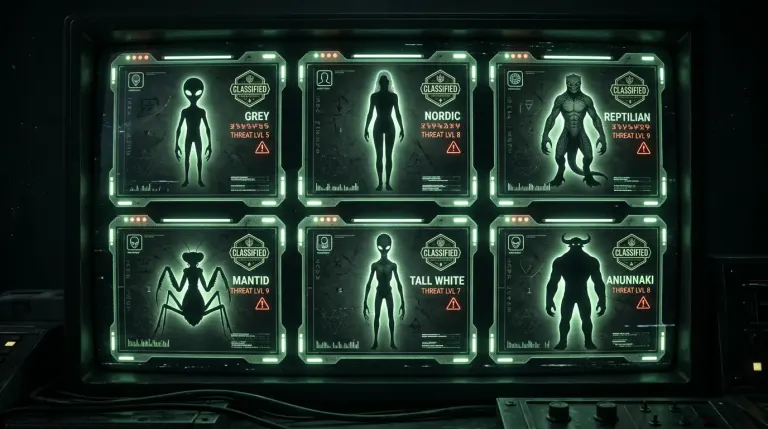
In mainstream history, the Anunnaki are deities or divine figures from Sumerian, Akkadian, and Babylonian traditions. In alternative ancient astronaut theory, especially in Zecharia Sitchin's work, they are interpreted as visitors from the heavens who influenced human origins.
The creator species version goes further. It suggests that humans were not only observed by non-human intelligence, but engineered, directed, or accelerated for a purpose. That is a major leap. Treat it as a scenario until evidence demands more.
Why do people ask about Anunnaki?
People ask about the Anunnaki because the theory turns history into a locked room. Ancient tablets, long reigns in king lists, flood stories, genetic speculation, gold-mining claims, and the word "Nibiru" all orbit the same question: what if humans are not the full author of the human story?
The answer is not to accept every claim. The answer is to build a clean filter. Ancient text is one layer. Translation is another. Interpretation is another. Internet mythology is another. If you mix them together, you do not get truth. You get fog.
The civilian filter
- Separate source from interpretation. Ask what the ancient text actually says, who translated it, and what later writers added.
- Watch the emotional payload. Claims about creators, bloodlines, chosen groups, or secret ownership of humanity can hijack judgment fast.
- Do not collapse into worship or doom. If a theory removes your agency, it is not preparing you.
- Ask the practical question. What would this change about your behavior in a first-contact event?
- Keep the group stable. Origin shock spreads socially. Calm framing matters.
If a progenitor scenario were true
If a creator-species scenario ever became relevant, the first danger would be psychological. People would split into predictable camps: worship, denial, rage, bargaining, collapse, and opportunism. None of those states help a family, neighborhood, or city respond well.
The useful response is steadier. You identify the claim. You protect the vulnerable from panic. You document what is known. You refuse cult logic. You keep human dignity intact while evidence is evaluated.
What to do with Anunnaki content
- Keep receipts. Save sources, translations, dates, and names. Vague claims are not evidence.
- Avoid chosen-one narratives. First contact preparation is civilian work, not ego decoration.
- Do not make life decisions from lore. No financial, medical, legal, or family action should be based on speculative origin claims.
- Use the theory as a drill. Can you remain calm while considering a reality-shaking possibility? That skill transfers.
The public file ends at the same place every useful origin theory ends: with discipline. Stay curious. Stay grounded. Do not let a theory make you easier to control.
Common questions
Who are the Anunnaki?
The Anunnaki are figures in ancient Mesopotamian texts. Some alternative interpretations, especially those associated with Zecharia Sitchin, frame them as non-human visitors or a creator species. Mainstream scholarship treats the texts differently, so the claim remains contested.
Did the Anunnaki create humans?
There is no public proof that the Anunnaki created humans. The creator species theory is a speculative interpretation of ancient texts and origin lore, useful here as a first-contact scenario about power, identity, and psychological readiness.
Why does the Anunnaki theory matter for first contact?
It tests origin shock. If contact ever challenged humanity's story about where we came from, civilians would need calm thinking, evidence discipline, and a role-based response instead of panic or worship.
How should civilians approach Anunnaki claims?
Separate the ancient text from the modern interpretation, avoid certainty, check sources, stay grounded, and ask what practical behavior the claim changes. If it only produces fear, it is not useful preparation.
How does Disclosure handle the Anunnaki file?
Disclosure treats the Anunnaki as a high-impact scenario for calm judgment, not as proof.