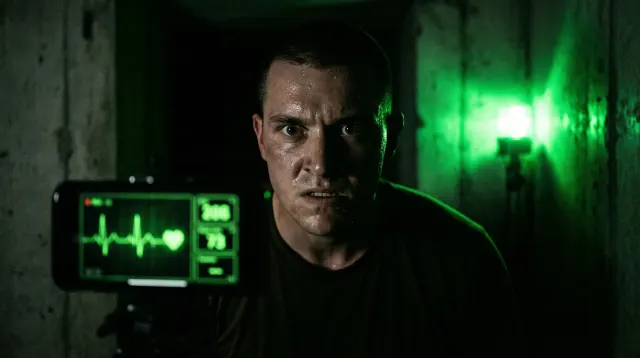
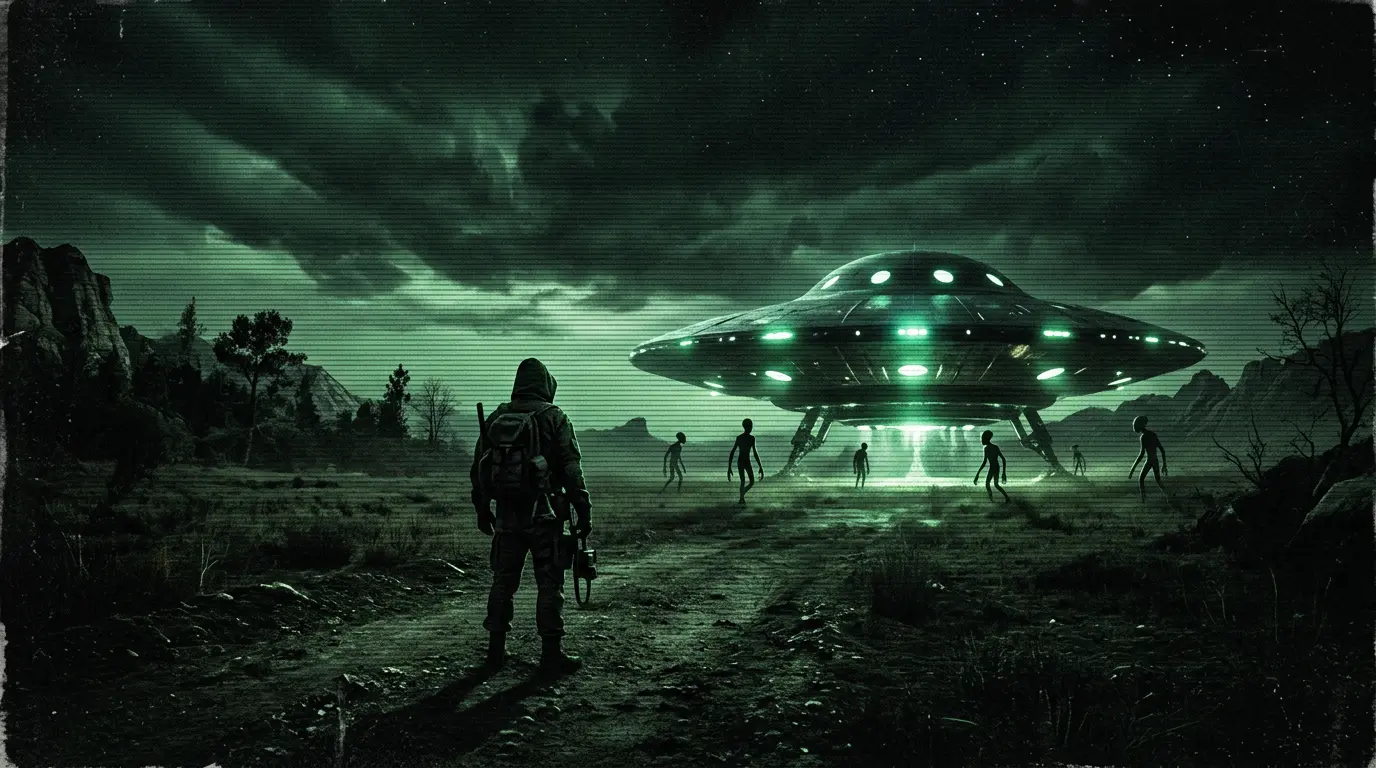
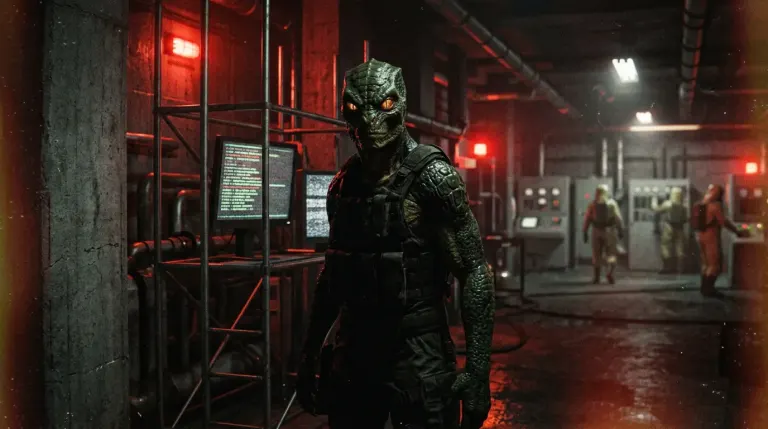
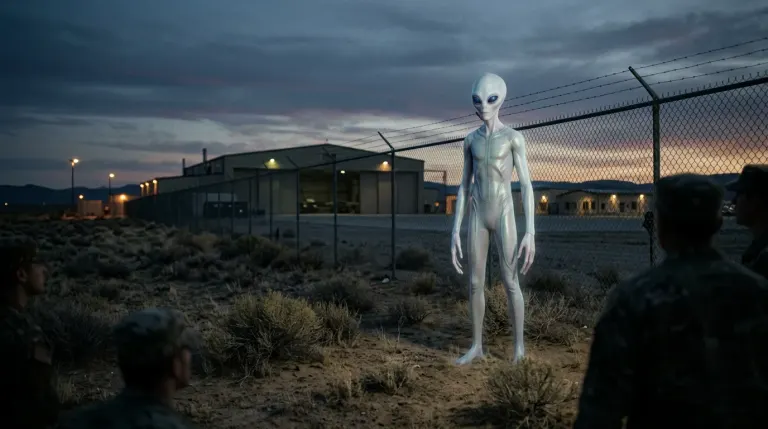
No single move survives every alien encounter, and no public evidence proves a species registry. The civilian protocol is S.T.A.N.D.: stop, take breath control, assess, no escalation, document after.
An alien survival guide cannot promise survival. No public evidence proves a complete species registry, and no single move works for every reported non-human intelligence scenario. The practical answer is narrower and more useful: stay calm, identify the pattern, avoid escalation, protect the group, and document after the scene is stable.
This guide treats common alien encounter claims as first-contact training scenarios. You do not need to believe every report to benefit from the protocol. Fire drills work before a fire. Contact drills work the same way.
The universal first contact protocol
Identify before you act
Bad contact decisions usually come from acting before identification. A civilian does not need perfect certainty. You need enough information to avoid the most dangerous wrong move.
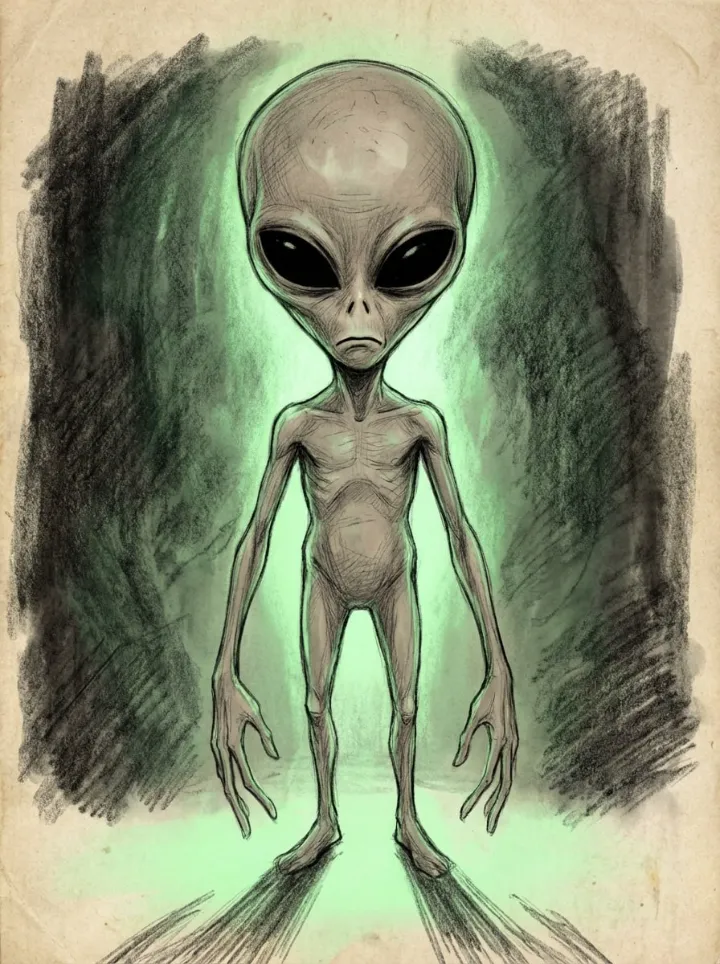
Shape: humanoid, small, insectoid, reptilian, luminous, mechanical, or unclear.
Behavior: observing, approaching, blocking, communicating, taking, scanning, or retreating.
Distance: close contact, across a room, across a field, overhead, or indirect signal.
Effects: silence, lights, missing time, electronics failure, animal behavior, pressure, or emotional shift.
Witnesses: alone, family, crowd, vehicle, neighborhood, or online report only.
Reported scenarios and civilian responses
The group plan
First contact is not solo content. If something strange happens near your home, vehicle, campsite, or neighborhood, the group needs roles.
Sentinel: watches exits, keeps people back, prevents crowd surge.
Diplomat: speaks calmly if speech is needed, keeps the group from shouting.
Scholar: observes details and writes the timeline afterward.
Survivor: stabilizes kids, pets, injured people, and anyone spiraling.
If you do not know your role, fear assigns one badly. Study the archetypes, then use the quiz to get your First Contact Card.
Documentation after safety
Good documentation is boring and useful. Write exact time, location, duration, weather, witnesses, direction of movement, sound, smell, lights, device effects, animal behavior, physical marks, and emotional state. Mark what you saw directly versus what someone told you.
Do not edit the account to make it sound cooler. Cool stories are cheap. Clean records are rare.
Common questions
How do you survive an alien encounter?
There is no proven universal survival move for every alien encounter claim. The safest civilian protocol is to stay calm, avoid sudden movement, keep distance, observe before acting, protect the group, and document only after the scene is stable.
What should you do if you see an alien or non-human intelligence?
Stop, breathe, keep your hands visible, avoid chasing or approaching, move vulnerable people back slowly, notice details, and report or document after immediate safety is handled.
Is this alien survival guide based on proven species?
No public evidence proves a complete species registry. This guide treats common reported patterns as training scenarios for first-contact readiness, not confirmed biology.
How do you prepare for first contact?
Prepare by learning your stress response, training calm breathing, making a family or group plan, practicing observation, and using the Disclosure quiz and readiness drills to assign roles before pressure hits.
Which alien scenario is most dangerous?
In Disclosure's training framework, the most dangerous scenario is the one where your instinct gives the wrong signal. A running, shouting, reaching human can escalate even a low-aggression encounter.