

DISCLOSURE, home
Find your role

Designation 03 · Field analyst

The Scholar makes sure the minute can be proven.

While everyone else reacts, you record. Your account is the one that survives. This file covers what that instinct does in the first minute, where it goes wrong, and how to train it.


What a Scholar is.

The Scholar is the most mentally active person in the first minute, even when they look still. They notice detail other people miss, hold off on conclusions, and start building a record while the moment is still happening.

The detachment that makes a Scholar useful is also what can get them hurt. Watching is not the same as being somewhere else. A Scholar has to stay present in the room they are recording.

Civilian designation fileDSC-R03 · Page 1 of 1

Scholar

The observer in a room with no precedent: time, direction, light, sound, who was present. What the Scholar writes down is what is left when memory starts to drift.

Role
Field analyst
First-minute priority
Note the time, the direction and the light.
Blind spot
Watches through the screen and forgets where they are standing.
Pairs with
The Sentinel, whose line you record from behind.
Training focus
Evidence: what you can prove, what you only saw, and the difference.

Field note: Without a record, the event is a story.

Exemption (b)(3) Released in part
The first minute, as a Scholar.

Five moves, in order. The phone comes out third, not first.

  1. Note the time.

    Exact, from your phone clock. Say it out loud or write it down.

  2. Fix direction and light.

    Which way, how high against something fixed, what colour, whether it moves.

  3. Film wide.

    Keep a roofline, tree line or horizon in frame so the footage has scale. Do not zoom first.

  4. Name who is present.

    Who saw what, and from where. Other witnesses make a record credible.

  5. Split seen from guessed.

    Two lists: what you saw and what you think. Keep them apart, even if the second is empty.

What a Scholar gets right.

  • Notices detail under pressure that scatters everyone else’s attention.
  • Can sit with not knowing without forcing an answer.
  • Remembers the order things happened in.
  • Turns a frightening minute into something that can be checked.

The blind spot.

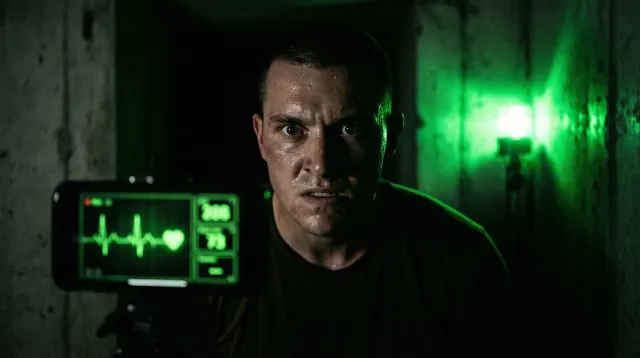
The Scholar can disappear into the screen: filming while the room moves, missing the step back, or standing in the open because the angle is better. The second risk is certainty. A record that fills its gaps with guesses is worse than one that admits them.

How to train it

Practise recording without losing the room. Film for thirty seconds, then look up and name three things around you. Keep notes in two columns, seen and inferred, until the split is a habit.

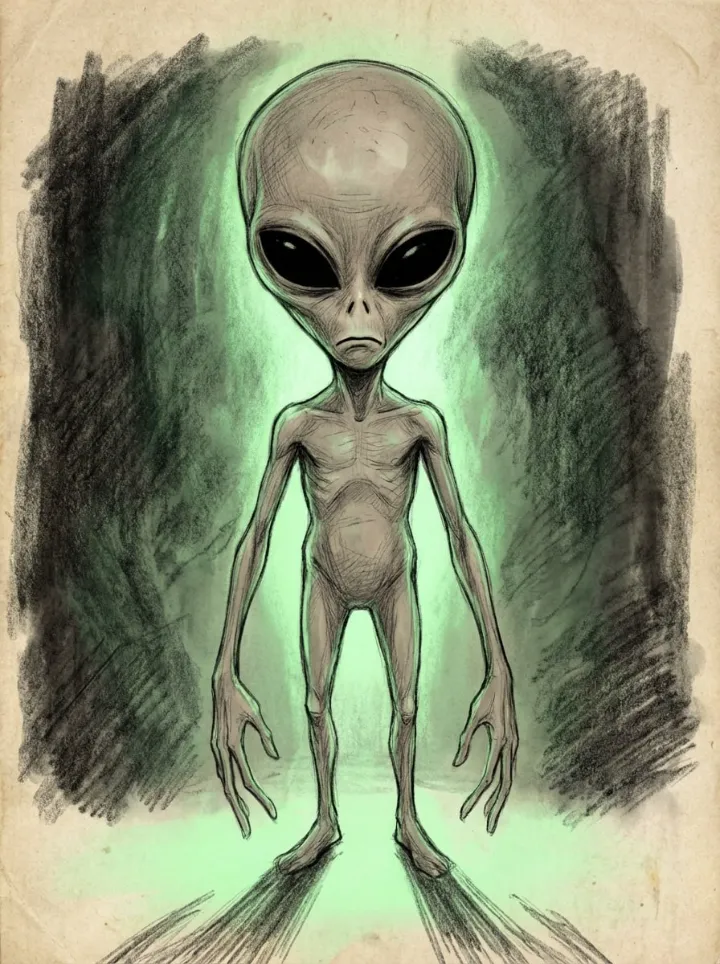
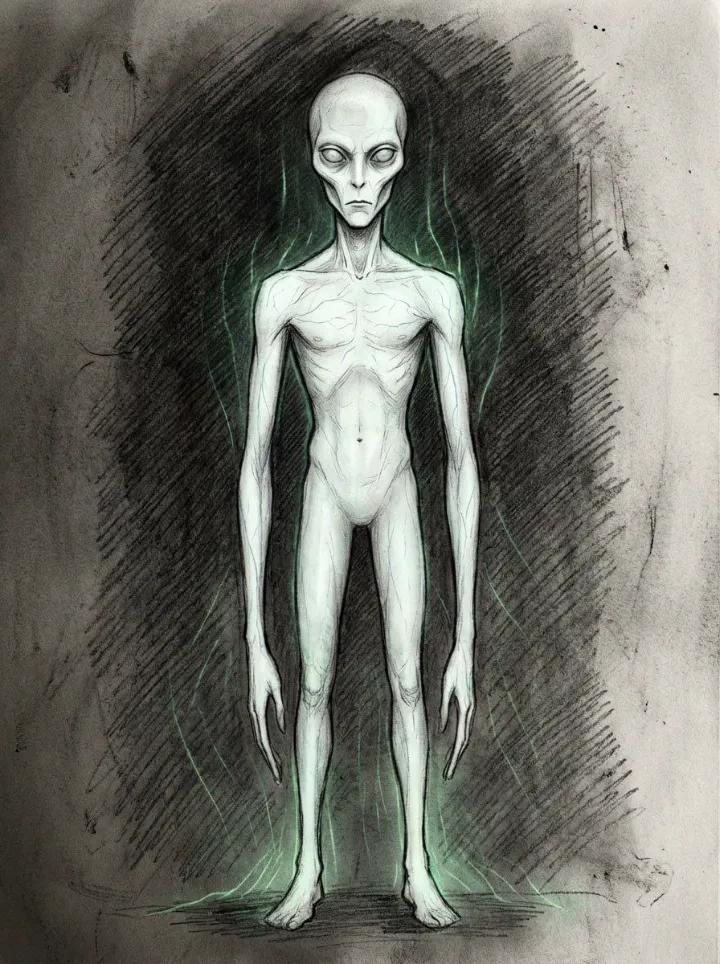
A pencil witness sketch of a very tall, thin pale figure, drawn on aged paper.
Sketch by the one who stayed to look

Exhibit R1 · Witness sketch

The account that survives is the one written down that night.

Memory rewrites itself every time the story is told. A time, a direction and a steady recording do not.

Released in part

What the app will train.

DISCLOSURE is a phone app in development for iOS and Android. These are the parts of the field kit built for a Scholar.

  • Don’t FlinchSudden sound and light while the phone scores how still you stay, so the camera stays still too.
  • CrewBe the one keeping the record for your crew, and see who covers the other jobs.
  • The Window, your signThumbs and fingers frame what you are recording, not reaching for.

No release date is set. Everyone who finds their role and claims a card hears first.

Questions about the Scholar.

What is the Scholar role in DISCLOSURE?

The Scholar is one of four civilian contact roles. It is the field analyst: the person who records the time, direction and light while everyone else reacts, and keeps what they saw separate from what they guessed.

Is the Scholar a passive role?

No. The Scholar is the most mentally active person in the first minute: noticing, ordering and recording in real time. The training is about doing that while staying aware of the room, not instead of it.

How do I know if I am a Scholar?

Take the ten-question classification. Each answer leans toward one of the four roles, and the role you lean toward most is yours. Scholars tend to choose the answers that record: screenshots, coordinates, facts only.

Find out if the record is yours.

Ten questions, answered the way you would at 11:47 pm with the power out. Your role comes back with an iris print nobody else carries.